
Automotive HVAC Virtual Commissioning and State-Twin Preparation
01
Project Background
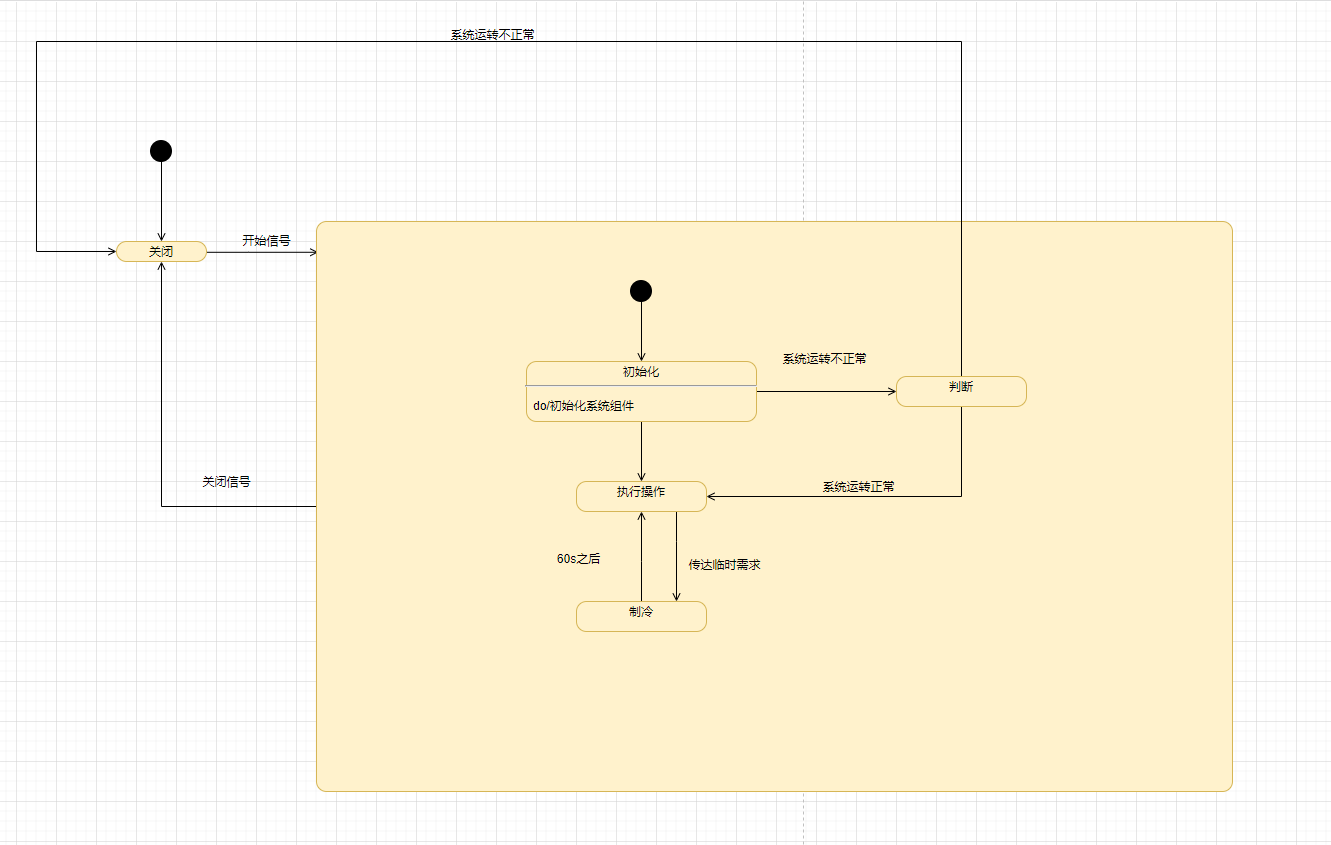
Vehicle climate control translates desired temperature settings and heating or cooling modes into explicit system responsibilities. The material organizes models through user analysis, scenarios, functional decomposition and subsystem design, showing how control requirements connect to interfaces and parameters rather than merely presenting an interactive panel.
Use state machines and parameter relationships to clarify control modes, triggers and constraints, then design repeatable commissioning scenarios with consistent inputs for automotive HVAC integration.
02
Control Models and Parameter Boundaries
Define signals for setpoints, mode selection, control responses and feedback, with triggers, transition conditions and output meanings for each state. Specify commands, internal model states and displayed values separately so a cooling indication is not mistaken for confirmation that a physical actuator is running.
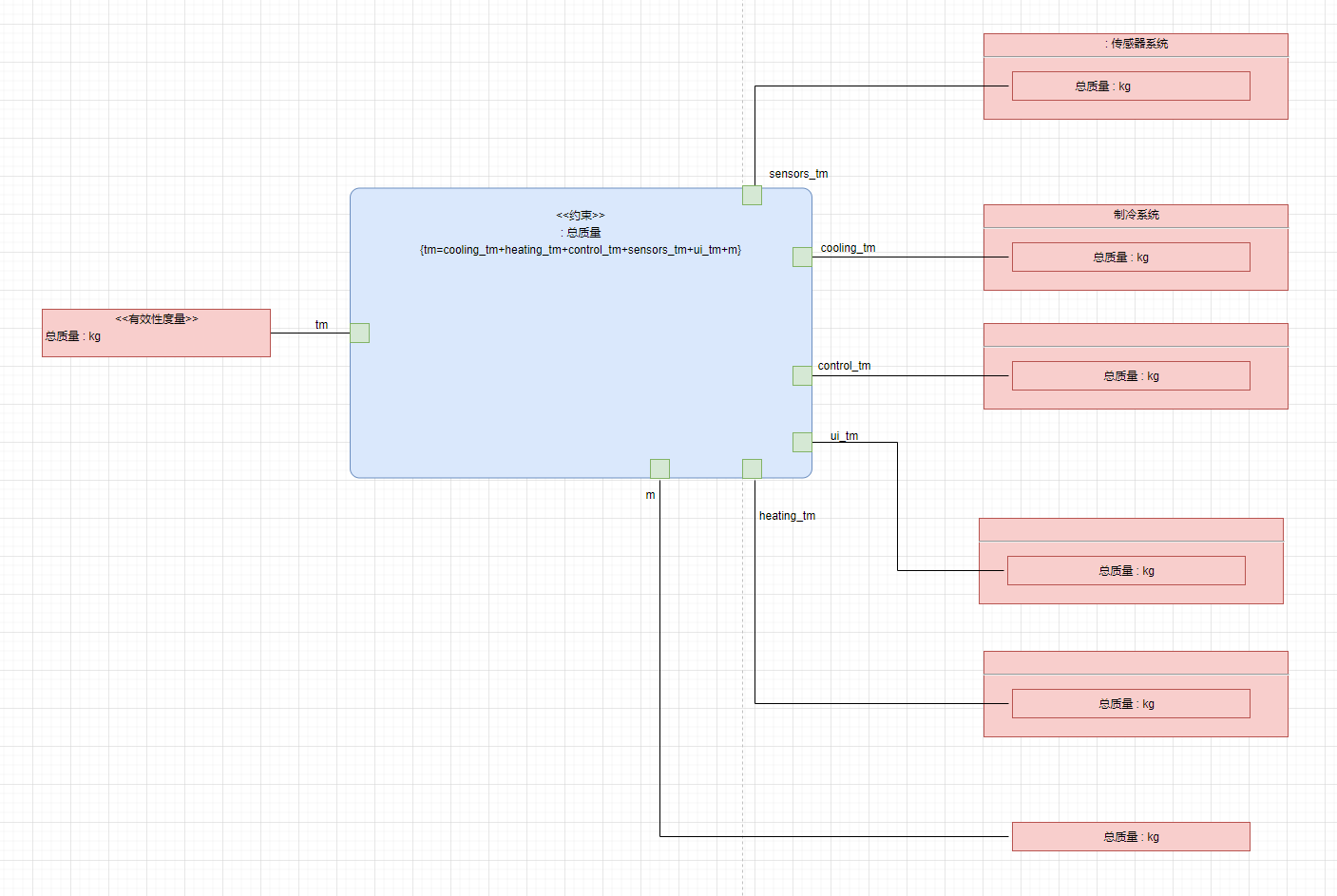
The parametric model links component properties through system mass constraints. Thermal comfort, energy consumption and cooling transients require a separate thermal model with verified boundary conditions and parameters.
03
Proposed Software Virtual-Commissioning Steps
Confirm the modeling tool's execution semantics, then fix the model version, initial mode and input sequence to check conditions and outputs after a setpoint change. Define handling policies for heating/cooling transitions, invalid inputs and missing feedback according to control requirements.
For each run, record state entries, evaluated conditions and output events, tracing discrepancies to requirements or interfaces. If the tool only displays models, the result remains a design review. Execution configuration and run evidence are required before identifying which logic has passed software verification and within what scope.
04
Deliverables and Reproducibility Checks
Proposed deliverables include requirement-scenario mappings, state models, interface dictionaries, parameter descriptions and commissioning configurations, identifying synthetic inputs and values awaiting calibration. Original state and parameter views support review, but execution records must actually be produced and cannot be replaced by images.
Acceptance requires the receiving team to reproduce input sequences in the agreed environment, inspect transition conditions, outputs and final states, and record unmet criteria. Logical conformance and real-vehicle temperature performance are separate items. Scenarios without execution evidence remain unverified; clickable controls and completed animations do not constitute a pass. After parameter or mode-rule changes, recheck affected scenarios and retain explained differences between versions so review comments trace to a specific baseline.
05
Boundaries of Future Real-Time State-Twin Work
Connecting a real vehicle later requires identified measurement sources, units, sampling times, quality flags and object mappings, plus disconnection and stale-state checks. Compare model states with measured feedback and retain discrepancies and timing uncertainty. Sending control commands requires separately defined authority and protection conditions.
Suitable for automotive HVAC control logic review and virtual commissioning preparation. Cooling performance, controller timing and vehicle suitability require separate validation through thermal models, controller tests and vehicle tests.
06
Implementation Outcomes
Reproducible scenarios make mode conditions, interface semantics and exception paths available for review before integration. Assess the approach through when issues are found, the number of requirements clarifications and regression verification records.
Compare issue reproduction setup time, recurring interface problems and effective scenario coverage under equivalent requirements and scenario complexity. Define separate metrics and records for software logic, thermal performance and real-time integration.