
AI Control Training with Vehicle Multiphysics Simulation
01
Project Background
This project connects vehicle multiphysics models to AI control training to check interfaces, constraints and abnormal conditions before physical vehicle tests. Training and evaluation use a reproducible software environment, with independent conditions for policy comparison.

02
Technical Approach
Define the training interface first: which states the policy can observe, which control variables it outputs, and how the environment advances and resets. Combine powertrain, suspension, and energy models according to the required accuracy, retaining parameter sources. Computational acceleration must not sacrifice task-critical dynamics.
03
Implementation Process
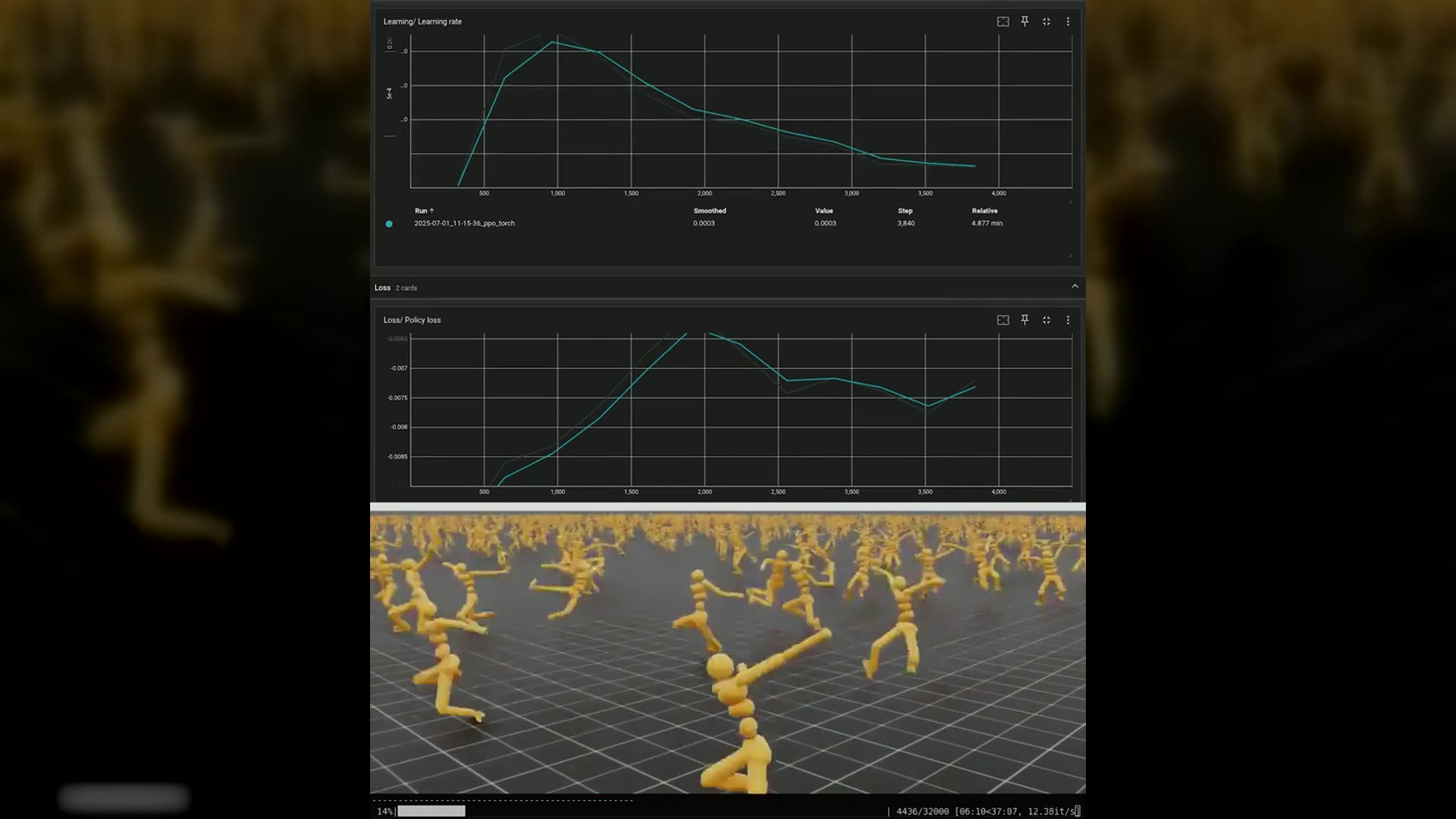
Check the model with fixed control inputs first, then connect a baseline policy, and finally expand operating conditions and disturbances. Keep training and independent evaluation records separate, reporting failures and constraint violations rather than only the best trajectory. After model or control-interface changes, recheck whether training results remain applicable.
04
Deliverables
Deliverables include the vehicle simulation model, training interaction interfaces, operating-condition and evaluation sets, and policy verification records. Each identifies its version, inputs, operating environment, and corresponding acceptance steps.
05
Acceptance Approach
Training in software simulation does not replace physical vehicle validation. Handover includes model versions, runtime dependencies, and failure conditions, and clearly identifies conclusions derived only from virtual environments.
06
Implementation Outcomes
Iterate control software before vehicle testing.
Move some control-software debugging into virtual environments, reducing the number of issues that can only be discovered once a physical vehicle is available.
Compare training time per round, simulation cost per operating condition, and anomalies identified before vehicle testing. Retain evaluation conditions excluded from training to avoid mistaking training results for generalization capability.