

A Domain-Specific Perception–Planning–Control Agent Pilot
01
Project Background
From recognition demonstrations to an evaluable closed-loop task process.
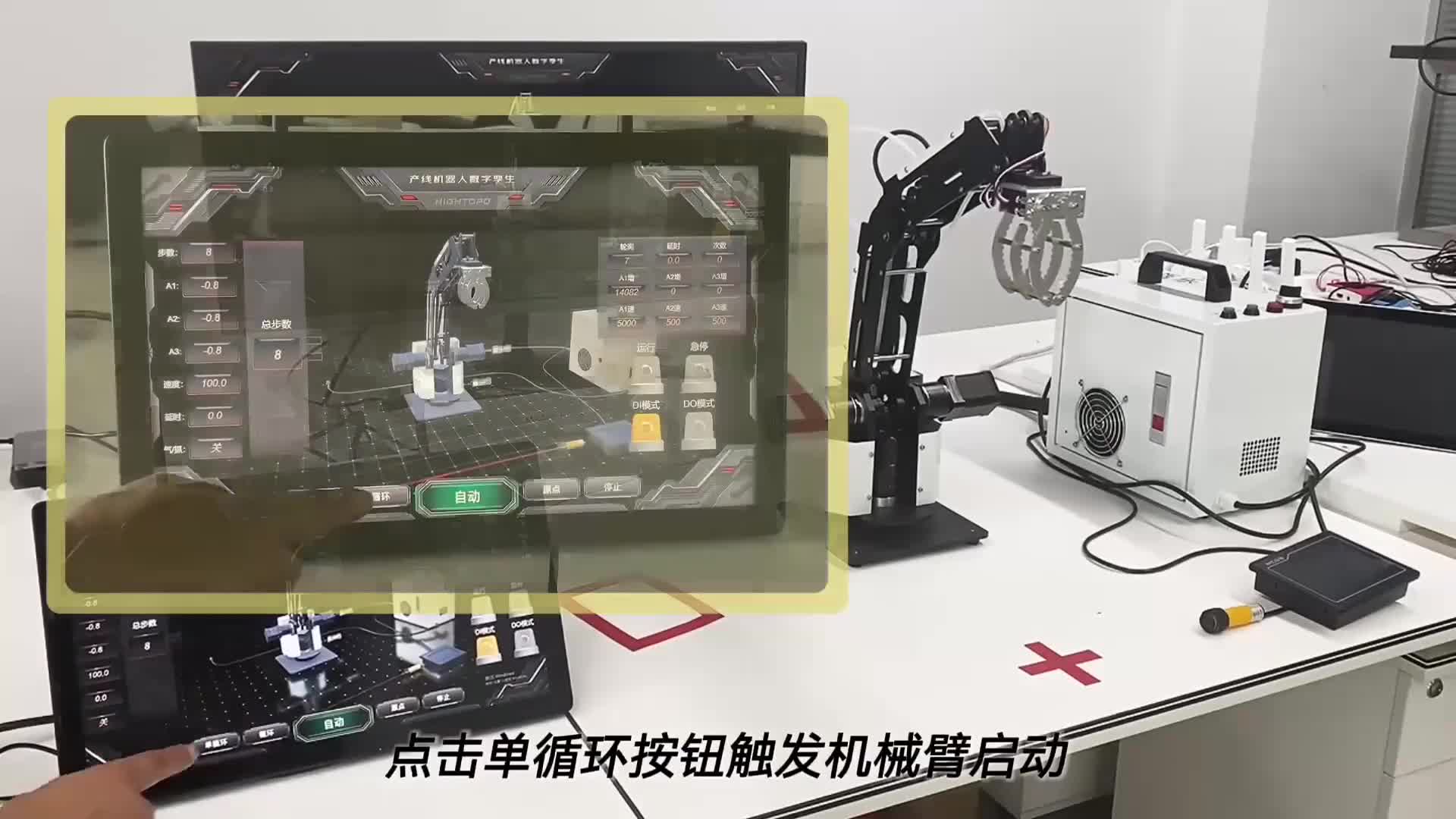
Domain-specific agent pilots often demonstrate object recognition or natural-language Q&A without explaining how recognition becomes a valid task, how plans are checked, or how execution failures are recovered from. Using target localization, task planning, and robotic-arm operation in a controlled environment, we organize a closed loop that can be inspected stage by stage.
At kickoff, confirm objects, tasks, permitted actions, and completion conditions. Clearly labeled simulation inputs may be used when field data is unavailable, but simulated success rates must not be presented as physical equipment results. The pilot answers key feasibility questions; unattended operation and applicability to all scenarios are not assumed commitments.
02
Technical Approach
Constrain perception, planning, and execution at separate layers.
The perception layer outputs classes, poses, quality status, and acquisition times. The task layer converts business goals into steps and preconditions. The execution layer calls constrained action interfaces. Coordinate relationships among the robotic-arm base, camera, and tool are maintained independently to prevent coordinate errors from causing execution deviations despite correct visual localization.
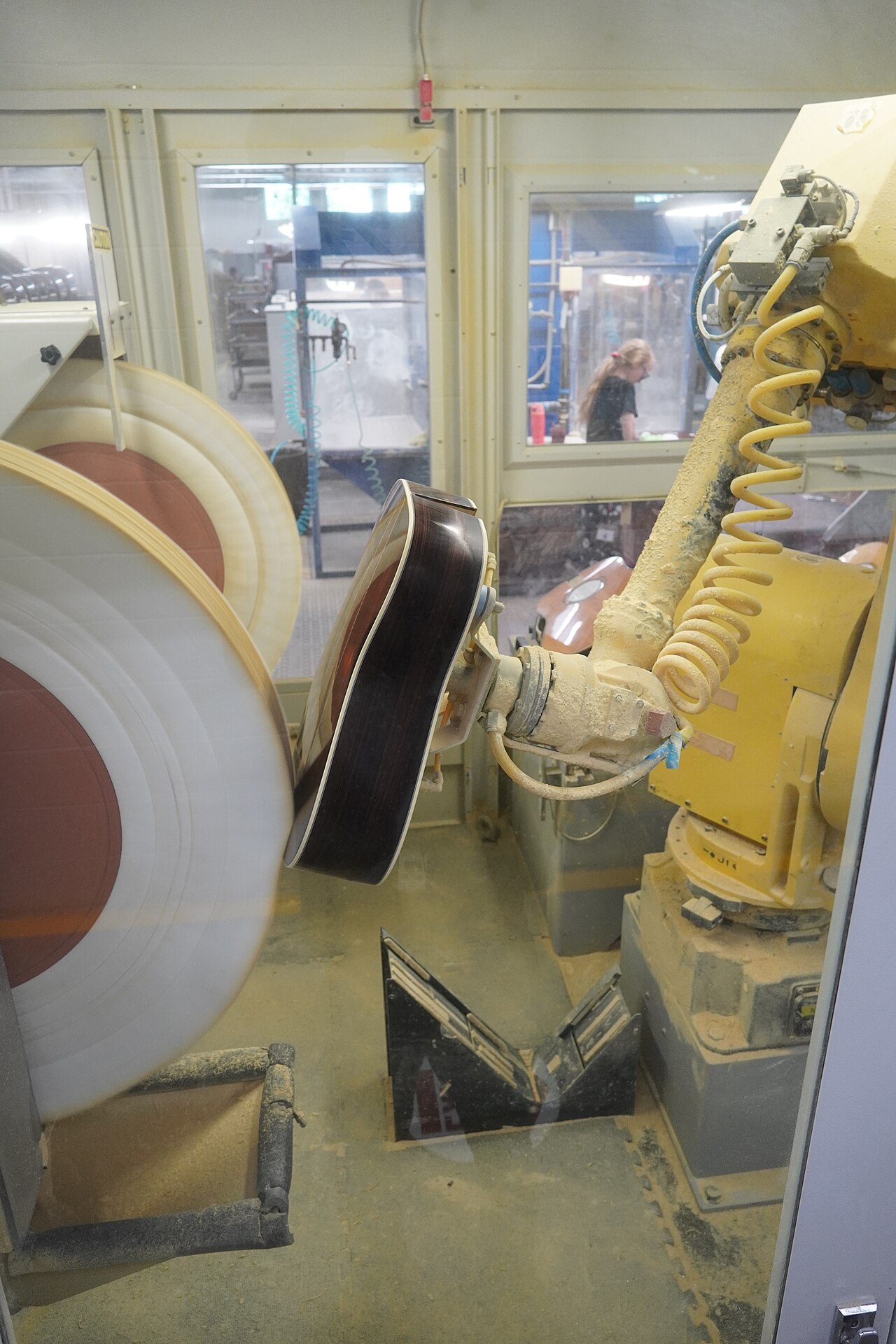
Before execution, plans are checked for permissions, object existence, parameter ranges, and current state. High-level agents do not bypass low-level control or safety interlocks, and tool-reported failures must not be summarized in natural language as successes. Each layer retains logs and identifiable error types so the point where the loop broke can be located.
03
Implementation Process
Baselines, a minimal closed loop, and independent evaluation.
First establish repeatable perception inputs and rule-based workflows, using fixed targets to verify coordinates and interfaces. Then gradually vary target positions, occlusion, and tasks. Confirm the workflow in software simulation or on a controlled test bench first. For physical equipment integration, the on-site owner establishes permissions, safety stops, and operating conditions.
Keep training or tuning data separate from acceptance data. The test set covers success, unreachable targets, missing targets, planning failures, and execution timeouts. Record each stage's inputs, outputs, and duration, attributing final failures to recognition, localization, planning, or control instead of showing only the best result.
04
Deliverables
Models, tool contracts, and failure evidence.
Recommended handover includes models and versions, data and annotation descriptions, perception interfaces, task workflows, execution adapters, and deployment configurations. Include independent evaluation examples, metric definitions, run records, and failure replays so recipients can check whether tasks were actually completed, rather than receiving only an agent demonstration video.
Specify external model services, runtime compute, commercial components, and data permissions separately. If reinforcement learning is included, add the environment, observations and actions, rewards, checkpoints, and evaluation configurations. If only rules or conventional planning are used, do not present them as trained reinforcement-learning capability.
05
Acceptance Method
Give equal weight to task completion and boundary handling.
Acceptance checks task success, correct rejection of invalid requests, constraint violations, and exception recovery together. When a target or permission cannot be confirmed, the system should explain why and stop the relevant action. The recipient runs a reserved task set in the agreed environment and checks that each conclusion matches the log evidence.
Pilot results apply only to the current objects, data, and operating conditions. After upgrading models, tools, or equipment, assess the scope of revalidation. Simulated policies must not be transferred to physical systems without checks. The final phase report must identify resolved issues, remaining risks, and prerequisites for the next phase.
06
Implementation Outcomes
Measure the benefits of intelligent systems through task results.
We deliver a demonstrable, replayable, evaluable closed loop from recognition to manipulation, using task completion results to guide further investment.
After implementation, record completion rates, human interventions, failure causes, and per-task duration on a fixed task set, comparing with the existing process on the same basis.