
UAV System MBSE Architecture and Cross-Tool Traceability
01
Project Background
In configurable UAV projects, high-level architectures, subsystem models, and engineering versions are often spread across different tools. We address mismatched objects and difficulty identifying the impact of changes, rather than copy every file into one directory.

02
Technical Approach
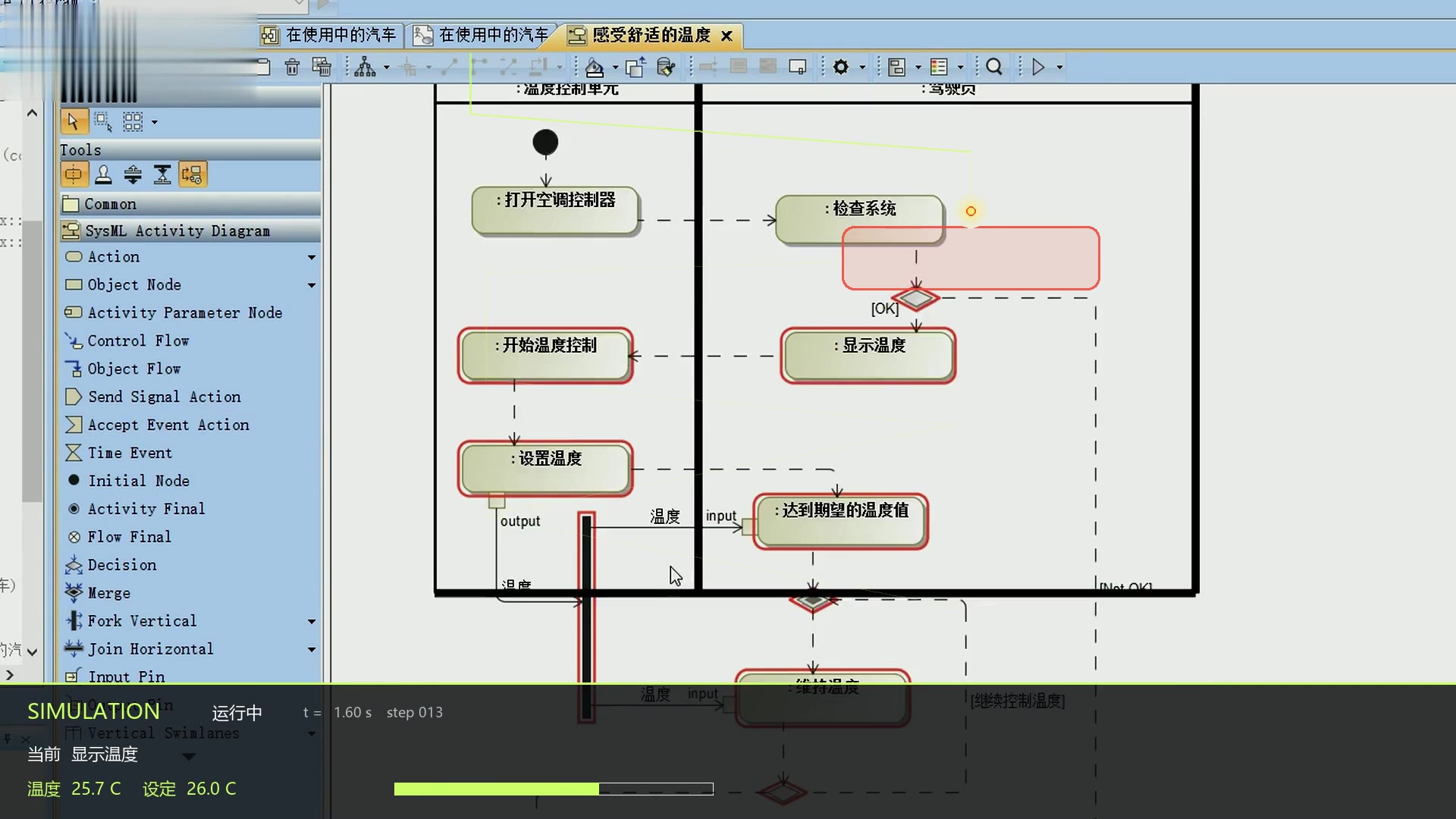
Separate the flight platform, energy system, perception, and mission software into independent model packages, retaining stable identifiers for every object. External models need not be copied into SysML, but their versions, interfaces, and relationships must be recorded. When requirements change, the design objects needing re-examination can be located directly.
03
Implementation Process
First establish one complete chain from requirements through subsystems to simulation results, check object mappings and permissions, then extend it to other model libraries. Record broken connections, version mismatches, and restricted access as explicit statuses to avoid seemingly successful connections that actually read outdated projects.
04
Deliverables
Deliver the SysML architecture project, cross-tool object mappings, version baseline inventory, and change impact records. Each item identifies its version, inputs, operating environment, and corresponding acceptance steps, with one review by the recipient in the agreed environment.
05
Acceptance Approach
Sample one requirement and one change in the agreed tool environment, confirming that linked objects and results belong to the same baseline. Successful cross-tool connections do not establish model correctness; confirm data-sharing permissions and tool license transferability separately.
06
Collaboration Baseline Recommendations
For a multidisciplinary digital thread, first define ownership and version relationships for architecture models, interfaces, design resources, and verification records. Use an interface change to compare attributes, trace affected projects, and plan rechecks. Link count is not a substitute for relationship quality.
Include two-user collaboration, permission restrictions, conflict resolution, and recovery exercises in delivery checks. Compare identification and review time for changes of comparable complexity, retaining unresolved dependencies. This is an applicable engineering method, not a claim based on third-party customer identities or efficiency figures.
07
Implementation Outcomes
Trace changes to affected objects.
We make relationships between system architecture, design resources, and engineering activities queryable, reducing time spent manually comparing versions and searching files.
During acceptance, use the same requirement change to compare time to locate related objects, broken-link counts, and review rework counts, while checking permission and version consistency.