
Satellite Fault Diagnosis and Advisory Agent Design
01
Project Background
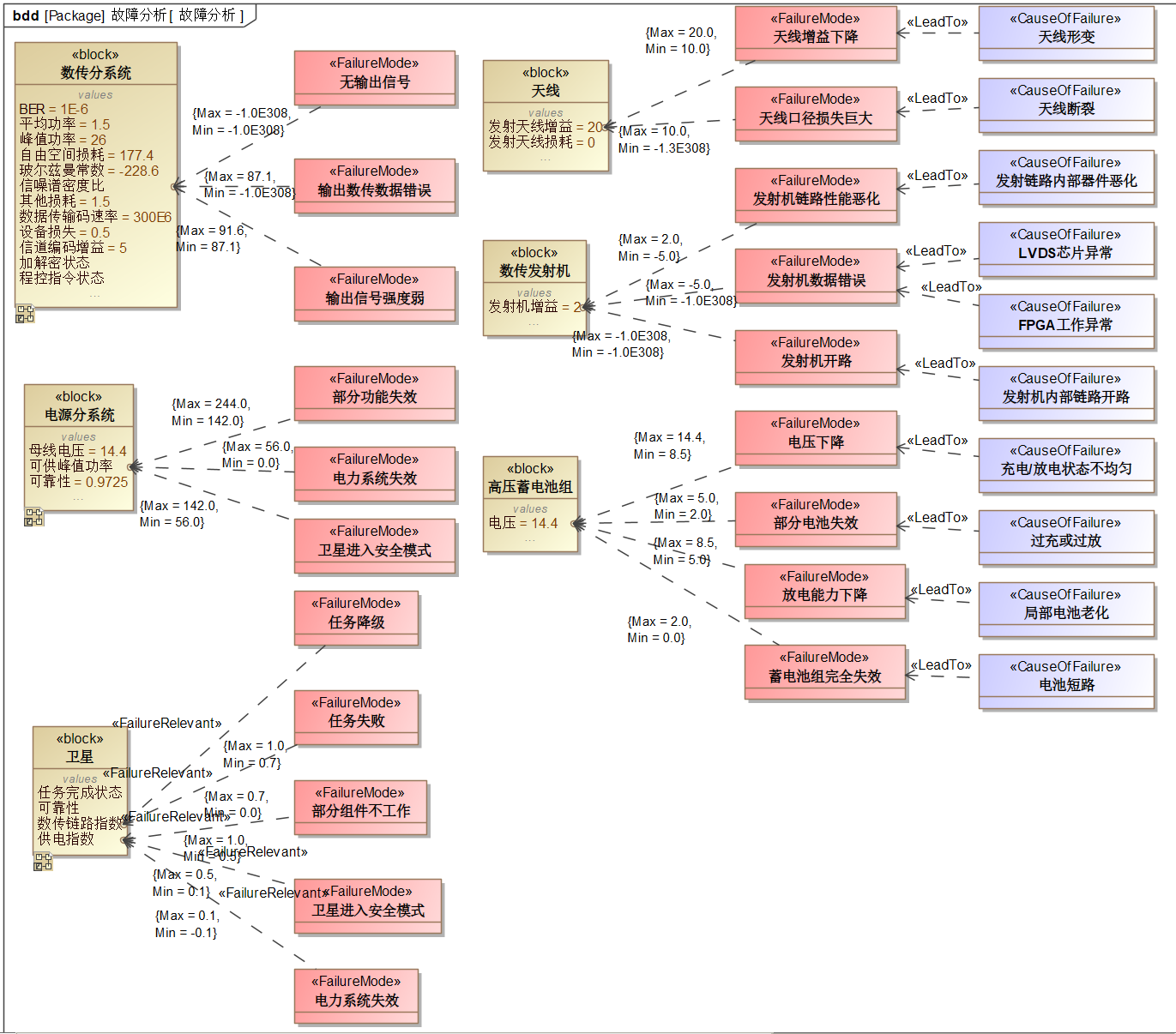
Satellite anomalies can span sensing, power, communications and control. A single threshold alert may identify a secondary symptom rather than the cause. The design connects observations and fault chains in one diagnostic task, reducing searches across models, logs and procedures.
02
Technical Approach
Check telemetry timestamps and units before generating structured events with agreed rules. The agent uses controlled tools to query fault modes, possible causes and propagation relationships, performs required calculations, and returns candidate causes with supporting evidence.
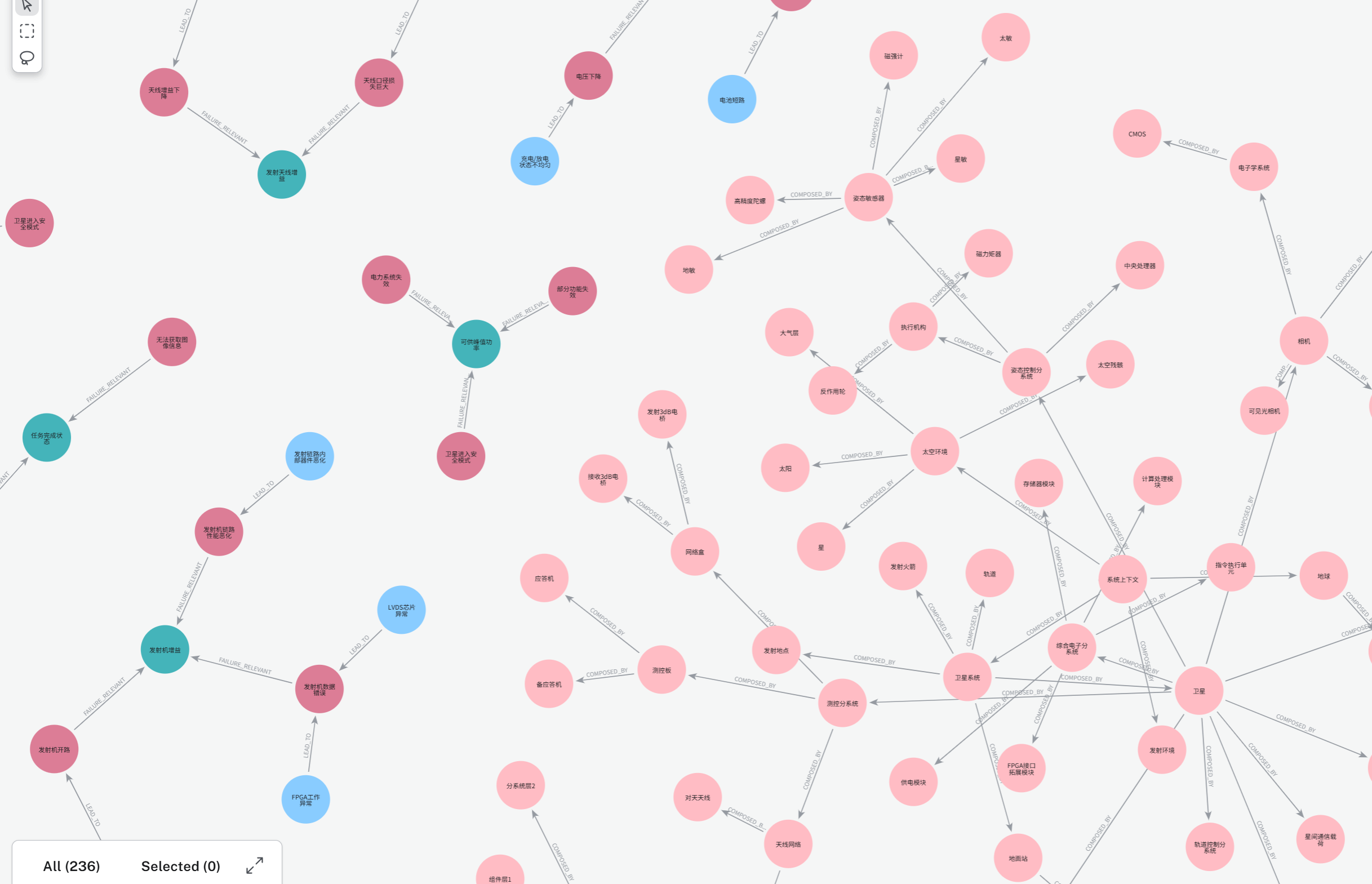
Distinguish predefined propagation relationships from current observations. List missing sensor evidence, competing causes and conflicting rules explicitly rather than letting a language model fill gaps in the causal chain.
03
Implementation Path
Build a demo slice with normal and fault paths, verify model-to-graph mappings, then connect anomaly events and tools. Save event inputs, graph versions, call parameters and returned evidence so each diagnostic run can be reviewed.
The language model decomposes tasks and organizes evidence; rules and tools perform threshold checks, path queries and calculations. Advice enters human review. Physical commands require separately defined permissions, interlocks and test conditions.
04
Delivery Scope
Planned outputs include fault models, entity and relationship mappings, event schemas, tool interfaces, diagnostic workflows, audit examples and review checklists. FMEA tables and FTA drafts require domain review.
05
Acceptance Method
Use labeled normal, single-fault, coupled-fault and missing-data cases to assess false alarms, misses, candidate rankings and evidence completeness. Latency measurements must record workload, hardware and tool-call counts.
Reviewers trace conclusions back to observations and rules. When evidence is insufficient, the output should show uncertainty and additional checks; a visualized path alone is not a confirmed root cause.
06
Implementation Outcomes
The prototype organizes diagnostics around fault models, knowledge graphs and an AI analysis interface, linking candidate root causes, propagation paths and impact scope to reviewable evidence.
The concept aims to reduce fault information retrieval and diagnostic report preparation time. Diagnostic accuracy, response latency and the usefulness of recommendations will be assessed separately through independent examples and domain review.