
IoT System Architecture, Function Allocation and Parameter Analysis
01
Project Background
How do diagrams remain consistent as objects are added?
This project addresses how relationships between models remain consistent when moving from functional design to system structure and product selection. The focus is how systems engineering information is organized, rather than the 3D shape of an individual device.
Requirements, component lists, and interface descriptions are often maintained separately. When changes to the same object leave multiple files inconsistent, it becomes difficult to determine which component performs a particular function.
02
Technical Approach
Reference architecture, allocation, and parametric models.
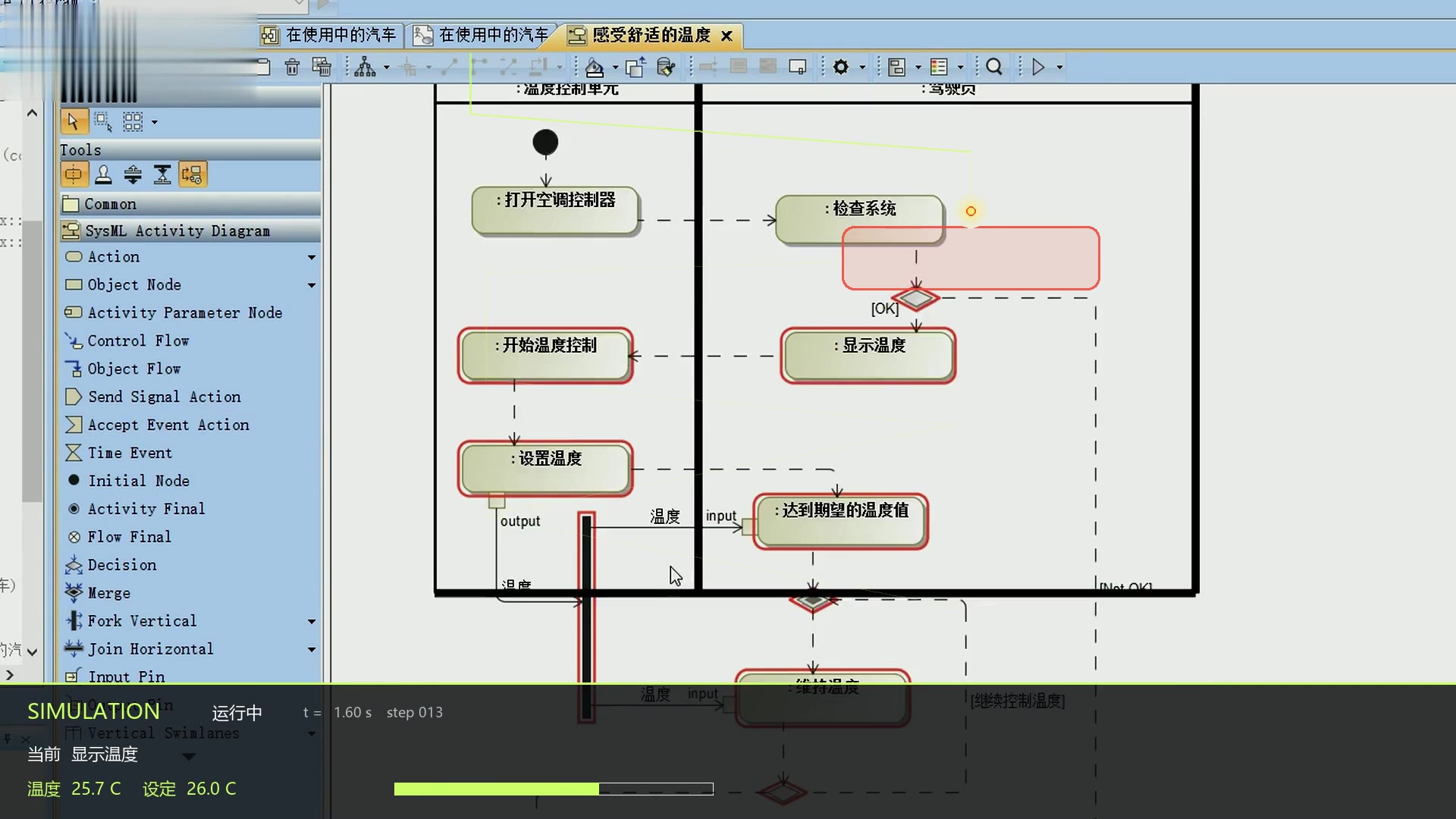
We first establish a reference structure, check the allocation of functions to components and interfaces, then add executable parameter calculations and link product information using stable identifiers.
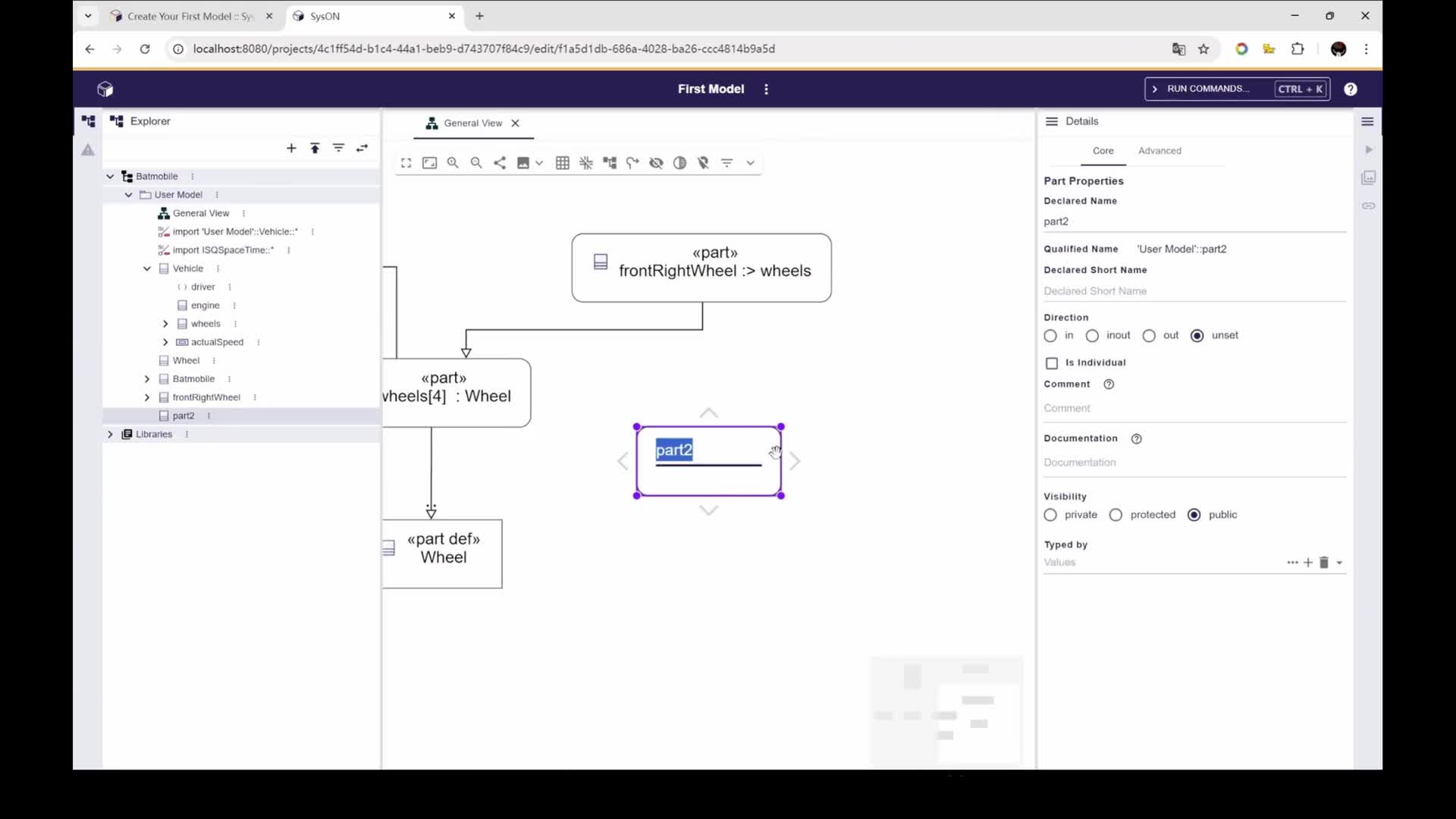
Keep the general reference architecture separate from specific configurations. Standardize object identifiers, interface types, and units before modeling; retain configuration sources during selection to avoid overwriting the original assumptions in the general model.
03
Implementation Process
Establish the relationships before expanding the model.
Start with one complete functional chain, connecting requirements, behavior, structure, and verification items. After review approval, extend the same modeling rules to other functions.
After each expansion, check for duplicate objects and dangling relationships so that the model remains queryable rather than becoming merely a repository of diagrams.
04
Deliverables and Review Method
Deliver the model project, object dictionary, relationship traceability, parameter definitions, data mappings, and operating instructions. If calculations are included, also provide an input baseline and result explanations, identifying reference assumptions and values drawn from product documentation.
Acceptance starts with a requirement, locates the components and interfaces responsible for the function, and then checks which analyses are affected by product parameter changes. Model effectiveness is not judged by view counts or diagram neatness.
05
Applicability
Suitable for systems requiring multidisciplinary coordination, multiple product configurations, or repeated reviews. For a simple, unchanging standalone device, there is no need to force relationships into a model merely to use a modeling tool.
If models are later migrated to a new language or tool version, check semantics and tool capabilities separately; do not assume a single conversion ensures compatibility with every external system.
06
Implementation Outcomes
Trace the model to supporting evidence during reviews.
We place structure, function allocation, and parameter analysis in one context, shortening the search for design rationale and reducing missed function allocations.
Compare efficiency using the same set of review questions: time to locate information, isolated object counts, and issue closure time. Model relationships alone do not establish that system performance has passed physical testing.