
Satellite Ontology and Dynamic Knowledge Graph Design
01
Project Background
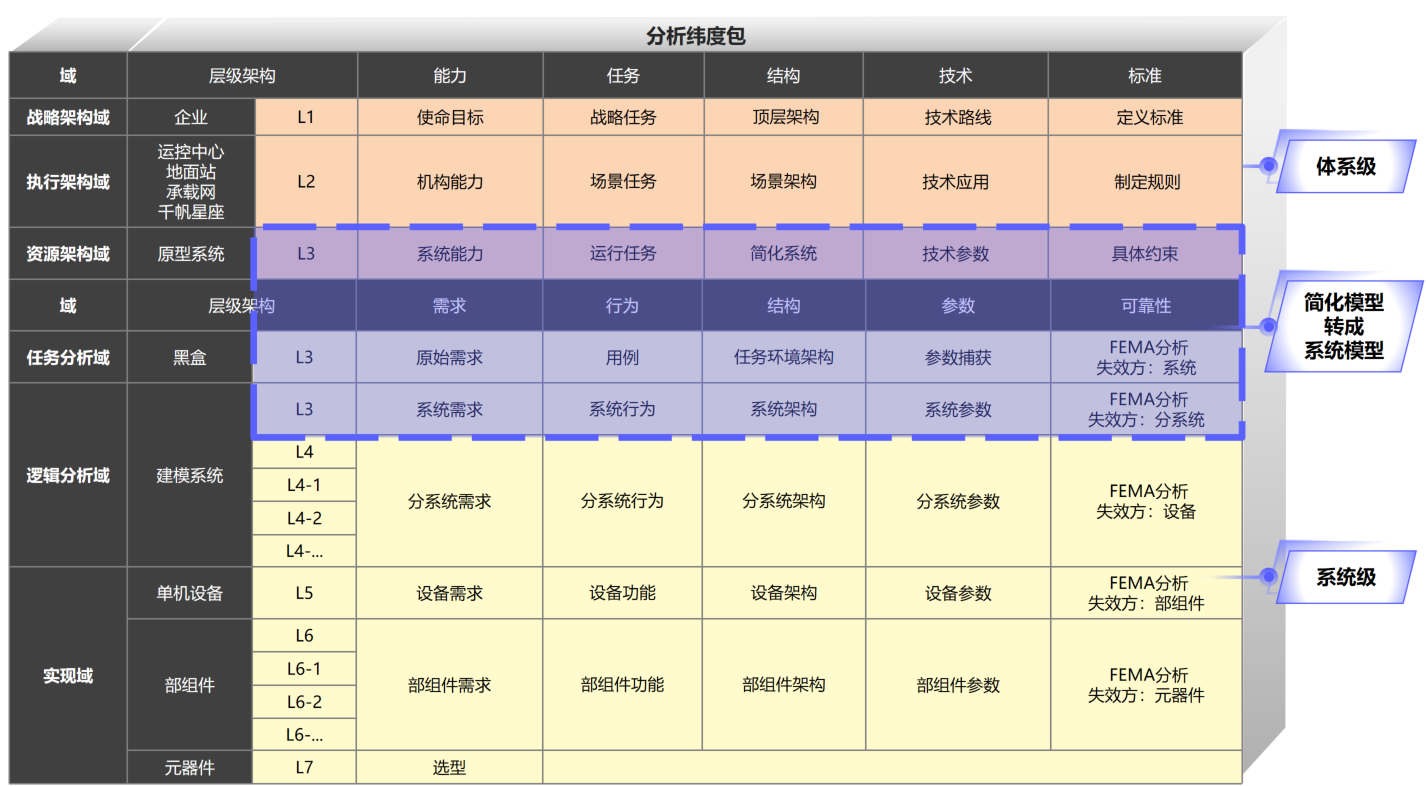
When design models, equipment parameters and logs use different names, tracing a telemetry point to its component, constraints and affected mission chain becomes difficult. The design first aligns vocabulary, identifiers and relationships, then connects operational data.
Inputs include system decomposition, interfaces, a telemetry dictionary, fault modes and an operating baseline. Domain owners must resolve missing units, time bases or equipment identifiers instead of letting a model guess them.
02
Technical Approach
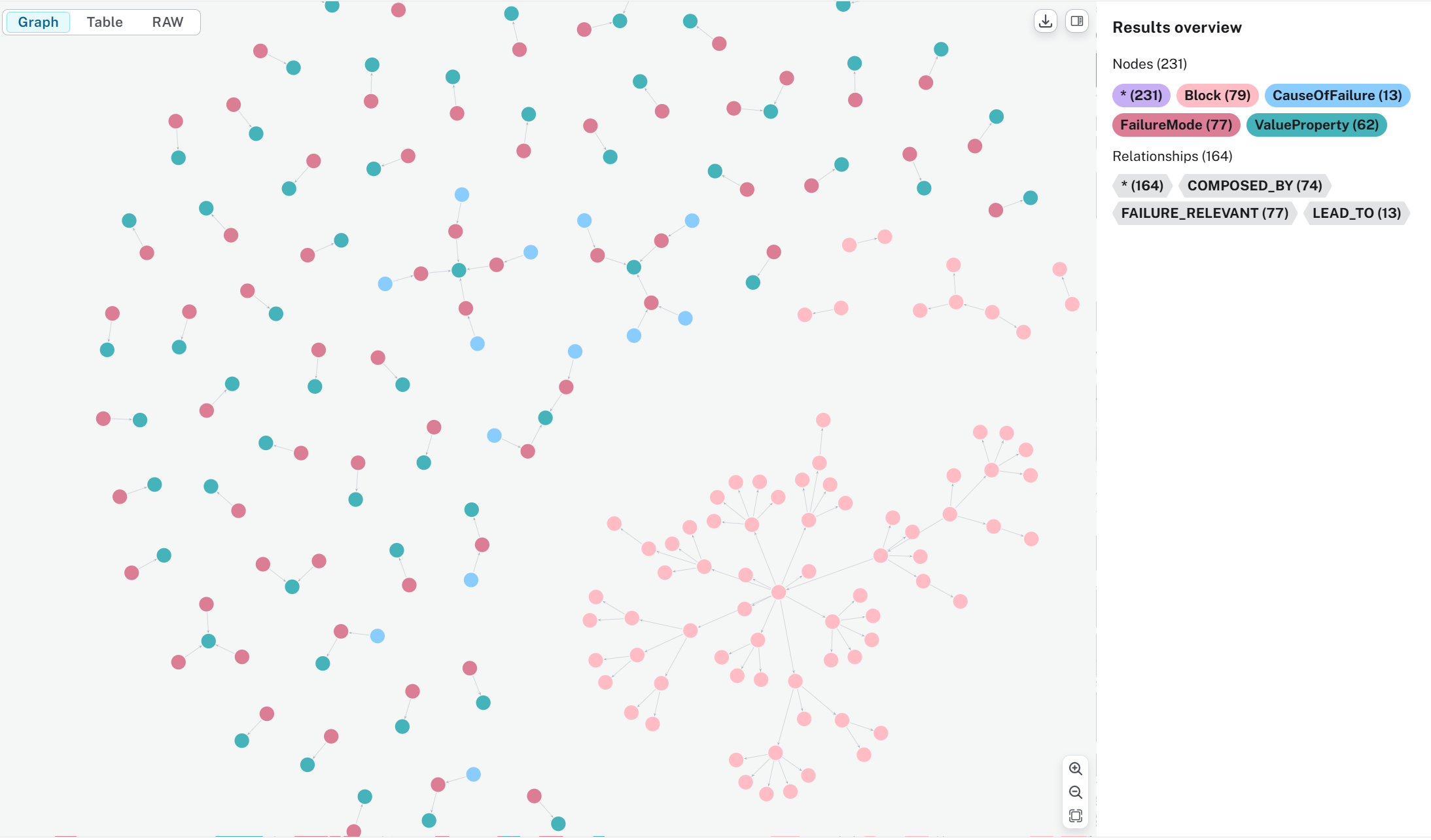
Extract equipment types, composition, interfaces, parameters and fault relationships into object-property-relationship-event mappings. Preserve source-model identifiers, ontology identifiers and versions so graph entities remain traceable to design evidence.
OWL expresses semantic definitions such as classes and properties, and RDF exchanges graph data. Explicit processing rules handle telemetry calculations, events and permissions. SHACL validation can check graph data separately from semantic reasoning.
03
Implementation Path
Start with a subsystem slice containing sensors, equipment and fault relationships. Review its vocabulary and mappings, export the ontology and initialize the graph. Replay timestamped telemetry to check state updates and relationships.
Record provenance, event time, receipt time and rule version for each update. Handle stale, duplicate and out-of-order data explicitly, and set termination conditions for rule propagation to prevent cyclic updates.
04
Delivery Scope
Planned deliverables include an ontology project, vocabulary, source mappings, graph initialization files, update-interface examples and version notes, with separate lists of unsupported model elements, unquantified causal links and unconfirmed parameters.
05
Acceptance Method
Use agreed queries to check equipment ownership, telemetry provenance and fault-impact paths. Change one source-model property and compare export, ingestion and query results. Test inconsistent units, missing identifiers, broken references and cyclic rules to verify issue reporting.
A graph relationship does not establish physical causality. Confirm propagation relationships through model evidence, domain review or experiments. Measure graph size, query performance and synchronization delay at the agreed workload.
06
Implementation Outcomes
The concept defines a modeling framework, semantic mappings and graph organization. A partial prototype connects MBSE graph extraction with language model calls, establishing an implementation path for consistent semantics and source-object traceability.
The concept aims to reduce repetitive field interpretation and cross-tool relationship searches. Assess value through mapping coverage, rule checks, query reproducibility and maintenance effort.