
Which projects fit?
For equipment where load affects temperature, control affects losses or thermal states affect performance. Purely thermal tasks can start with a thermal-only scope.
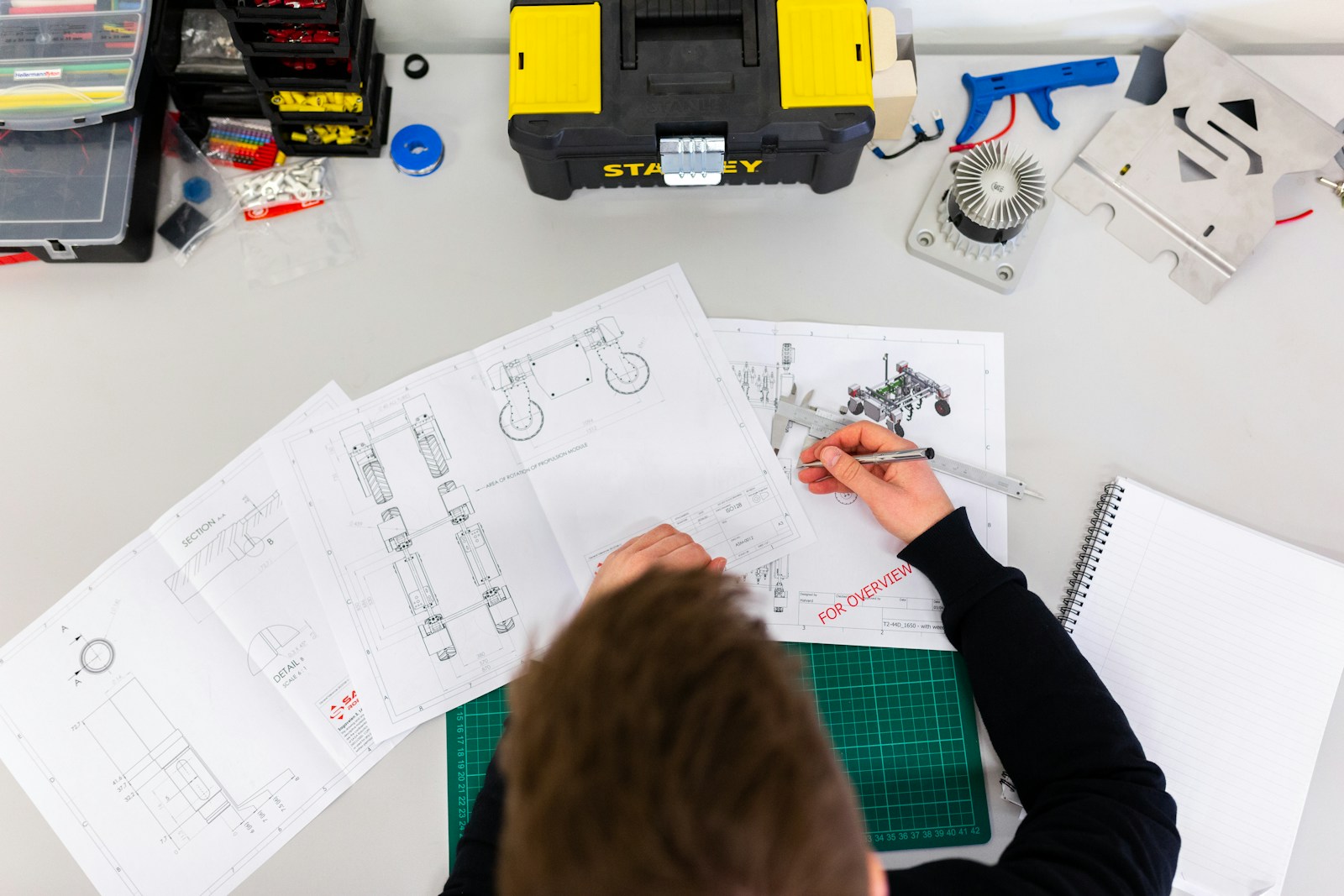
Mechatronic-Thermal
Verify key coupled operating conditions and identify risks before testing.
Acceptance checks loads and losses, energy transfer, thermal boundaries and numerical convergence. New Horizon validates individual domains before coupling and delivers scenarios, models, raw outputs and post-processing for reviewing temperature, power and motion responses.
Last updated: 2026-10-13 · New Horizon Digital Outsourcing Team
View delivery and acceptance detailsOther Capabilities in This Domain
Explore implementation guides and case studies to understand input requirements, technical approaches, delivered assets, and methods for evaluating outcomes.
Engineering delivery brief
For equipment where load affects temperature, control affects losses or thermal states affect performance. Purely thermal tasks can start with a thermal-only scope.
Provide duty cycles, mechanical loads, losses, material properties, contact and cooling boundaries, sensor locations, sampling rates and calibration information.
Temperature accuracy and service-life assessment require experimental references under project conditions. Acceptance checks numerical convergence, parameter calibration and deviation from tests separately, with uncalibrated parameters listed explicitly.
Geometry detail, contacts, transient duration, mesh size and test-data quality drive cost. Identify sensitive thermal paths and key scenarios before selecting model order and compute budgets.
Acceptance Evidence
Trace sources and units for loads, materials and heat-transfer conditions.
Acceptance Evidence
Record energy exchange, peak timing and metric sensitivity to time-step or mesh changes.
Acceptance Evidence
Retain sensor mappings, error definitions, raw results and rerun steps.

Related case study
Connect CAD preparation, material and boundary definitions, mesh comparisons and temperature-field review for a complex internally heated housing, with reproducible thermal-analysis deliverables.
Read the full case studyRelated standards and technical documentation for solution selection and implementation.
Describe your stage objectives and constraints (without classified details), and we will provide scope recommendations and a deliverables list.