
Production-Line and Robot Digital Twin Integration
01
Project Background
Make production-line states and process workflows verifiable.
A common problem in production-line digital twins is not a lack of 3D models, but unreliable correspondence between equipment states, operation steps, and workpiece flow. A scene may play a production animation yet fail to explain where a product has stopped, which device is waiting for a signal, or how an exception is recovered, limiting its usefulness for integration and subsequent maintenance.
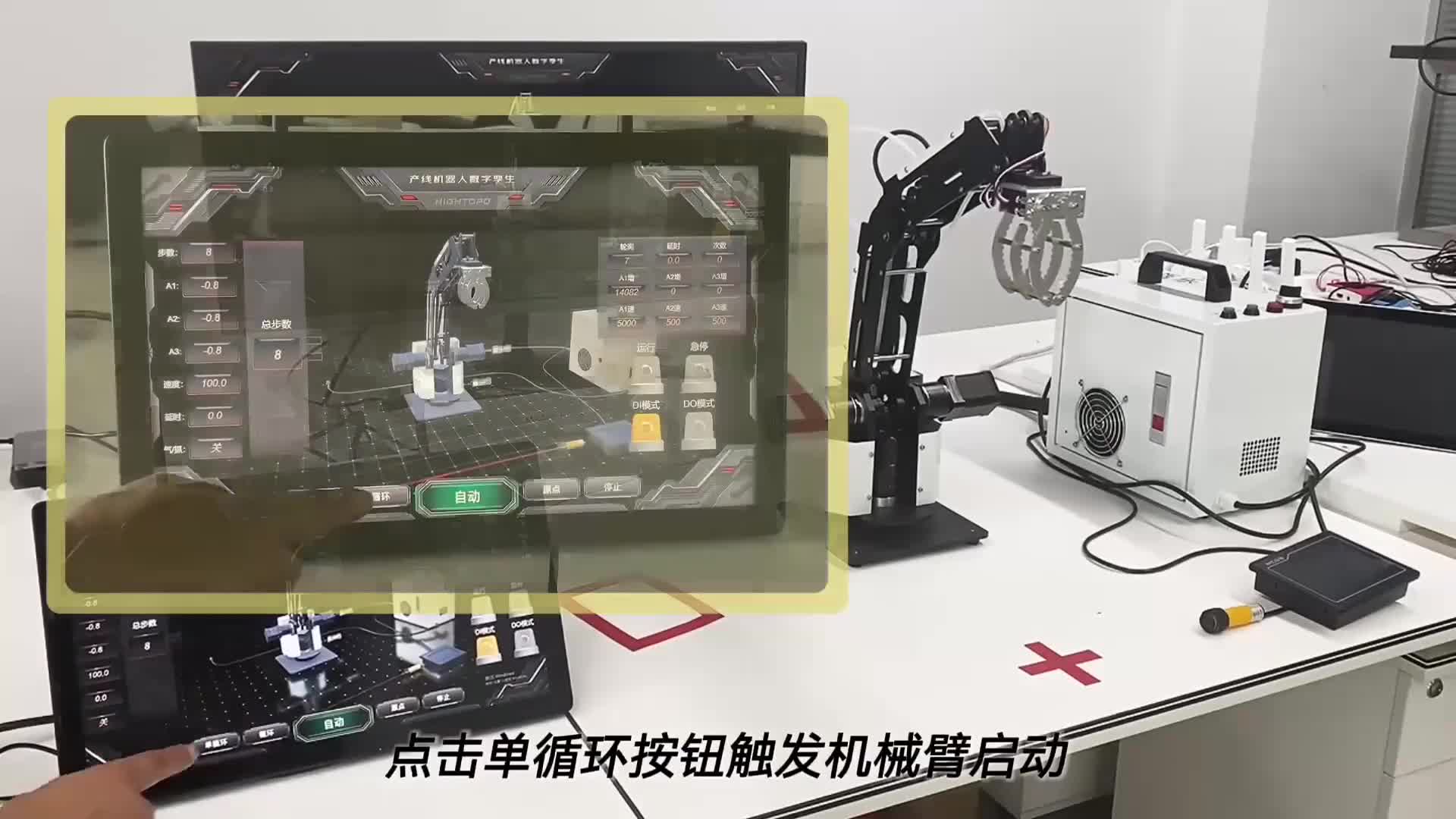
We define a minimal integration scope around a robot workstation and adjacent conveyor and inspection stations. Monitoring, offline process validation or controlled operation goals determine data connections and model fidelity.
02
Technical Approach
Separate equipment, data, and process states into layers.
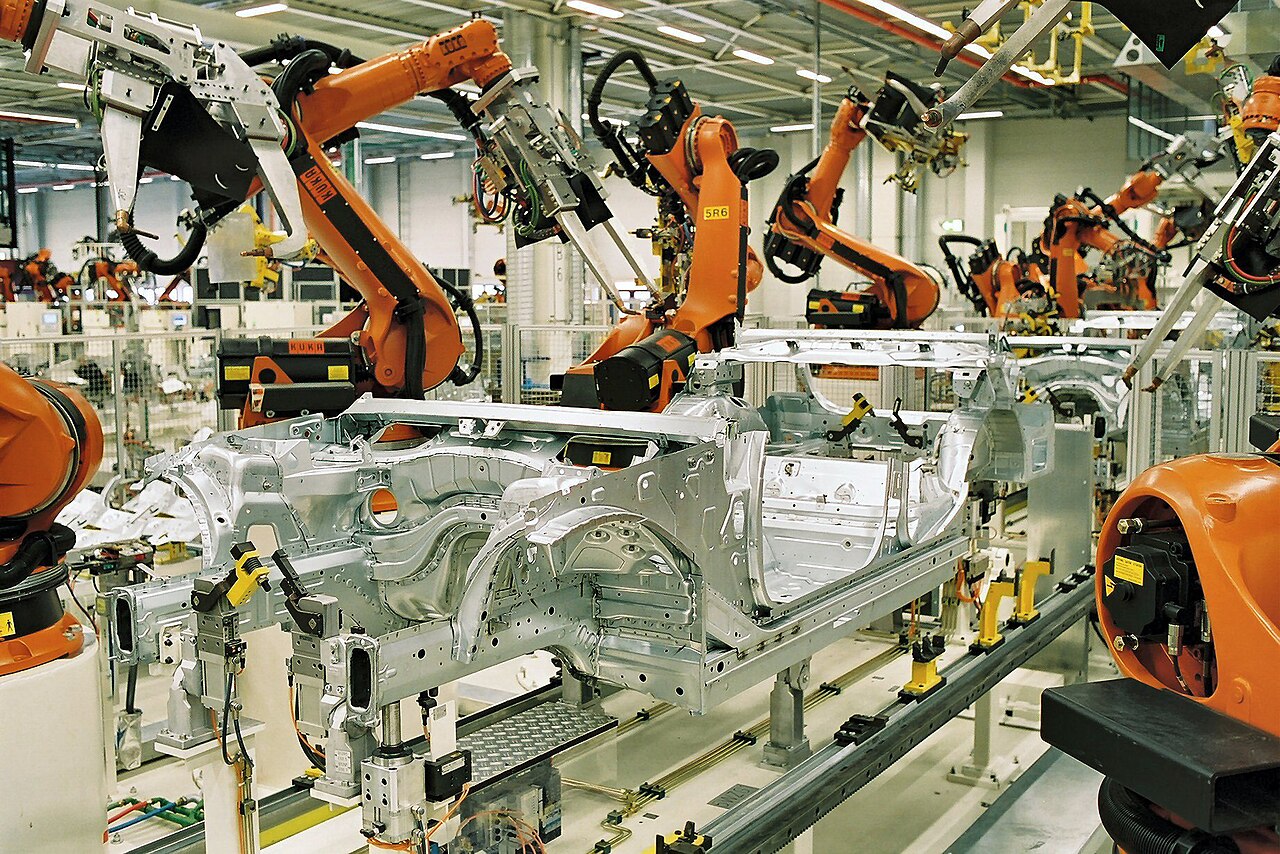
The scene layer handles equipment geometry, coordinates, and movable parts; the data layer handles equipment identifiers, signal mappings, and timing information; and the process layer handles steps, prerequisites, and completion criteria. Workpiece identities and locations must remain consistent throughout the workflow; actual product movement cannot be inferred from animation playback order.
Map robot joints, fixtures, sensors, and operation-step signals separately, and handle commands independently from feedback. Clearly label live, replay, and simulation modes in the interface, and show state as unavailable when data are stale or connections are interrupted. Interpolation used to smooth the display must not enter acceptance statistics as actual measurements.
03
Implementation Process
Progress from read-only mapping to controlled integration testing.
First inventory equipment, protocols, models, coordinates, and shareable data, and establish a replayable standard workflow. After completing offline state mapping, connect read-only on-site signals and check zero positions, units, equipment identifiers, and state updates individually. Establish a trustworthy information path before adding motion or process integration.
When physical control is involved, confirm authorization and on-site safety conditions separately, retaining the equipment's existing interlock, stop, and takeover mechanisms. Record logs for normal production, waiting, missing workpieces, disconnection, and recovery, and check that reconnection does not re-execute old commands. Fix the project and configuration versions for each integration round.
04
Deliverables
Provide takeover materials as well as the scene.
Recommended handover items include editable scenes, object and signal dictionaries, coordinate calibration, data integration configurations, process-state descriptions, and the integration testing interface. Provide replay examples, exception records, and operations and maintenance access points so recipients can determine whether an issue lies in equipment data, the network, mapping, or display.
Document model licensing, commercial plugins, and permitted uses of equipment protocols separately. Deployment configurations do not include developers' personal passwords or tokens; recipients deploy in their own authorized environments. Rendered videos or demonstration programs alone are insufficient to support later equipment replacement and process changes.
05
Acceptance Method
State consistency and fault recovery.
Under the agreed object count, data frequency, and network conditions, check consistency of equipment identities, operation steps, workpieces, and alarms. Record end-to-end latency, stale states, and reconnection recovery, rather than using frame rate alone as a real-time performance metric. After moving or replacing a scene object, it should be possible to update its mapping using the documentation.
Production cycle-time analysis and integration with physical equipment are different objectives. Unless calibrated against on-site data, cycle-time results are suitable only for design comparisons; virtual collision checks also cannot replace physical safety assessments. Hand over the final acceptance scope, equipment access permissions, and uncovered operating conditions together.
06
Implementation Outcomes
Improve production-line integration and fault diagnosis efficiency.
We bring equipment states, workstation workflows, and exception records into a shared context, making it easier for operators to identify where a problem occurs.
After implementation, compare diagnosis and recovery times for the same types of faults, and track issues found during offline integration and the effort needed to recreate integration materials.