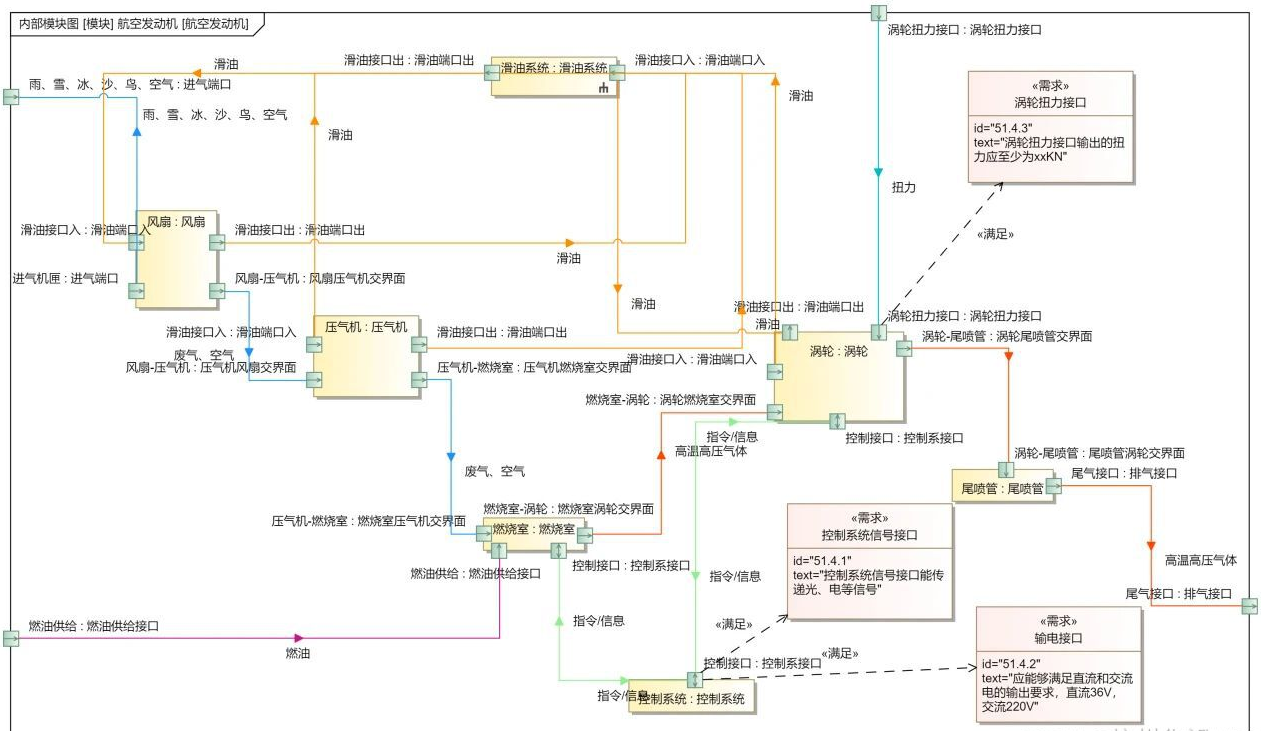
IoT System Architecture, Function Allocation and Parameter Analysis
Organize IoT system functions, structure, parameter calculations, and product data into a traceable system model project.
Cases
Explore engineering problems, technical approaches and delivery boundaries across modeling, simulation, digital twins and AI agents. Industry application cases also explain their evidence basis, implementation methods and verification limits.
Organize IoT system functions, structure, parameter calculations, and product data into a traceable system model project.
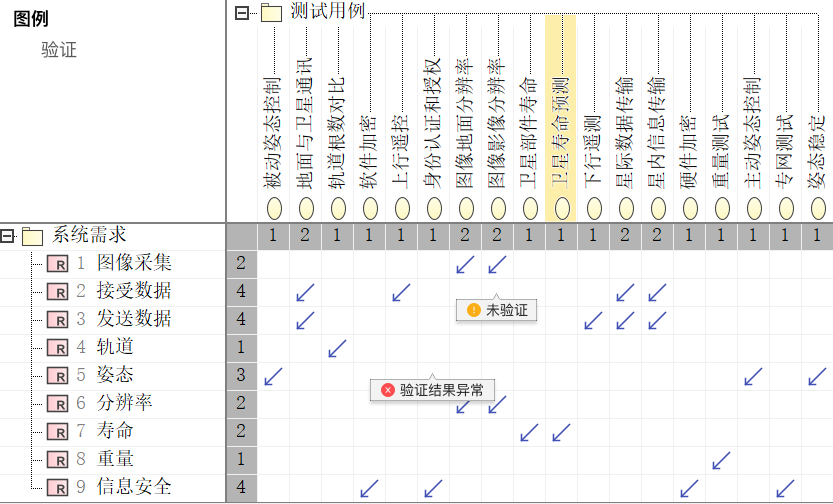
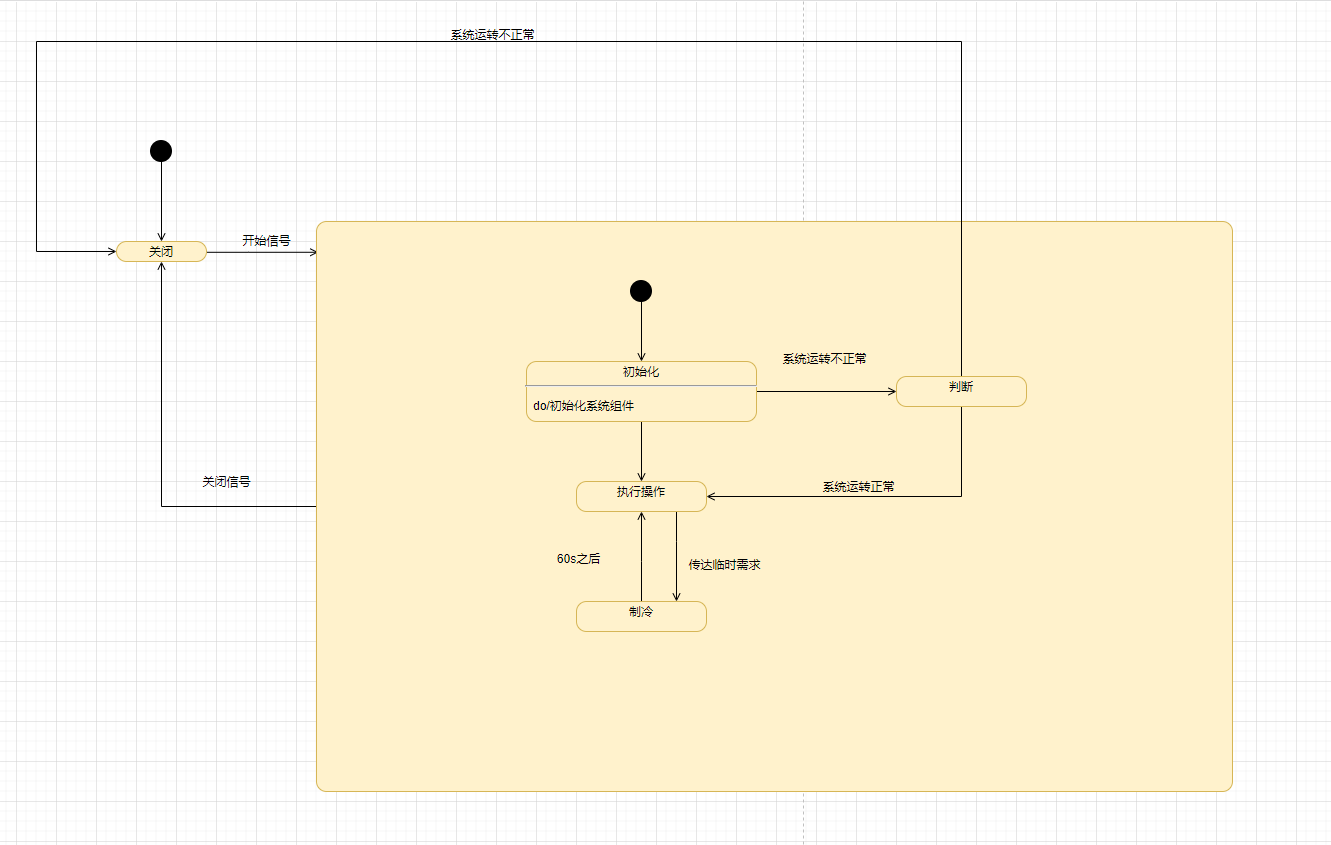
Connect requirements, behavior, controller interfaces and verification cases across starting, running and stopping, with explicit boundaries between system models and physical tests.
Connect payload-platform design through requirements decomposition, domain libraries, parameter relationships and model-derived reporting.
Manage devices, messages, signals and wiring relationships together, deriving integration records from interface models to reduce mismatches between specifications and test configurations.
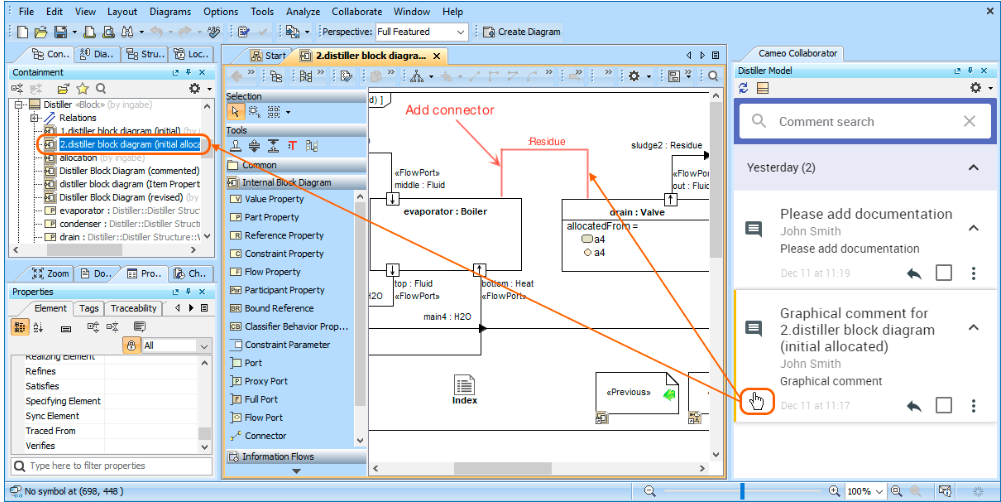
Connect model ownership, version updates, offline merges and online reviews so cross-team feedback traces to specific elements and released versions.
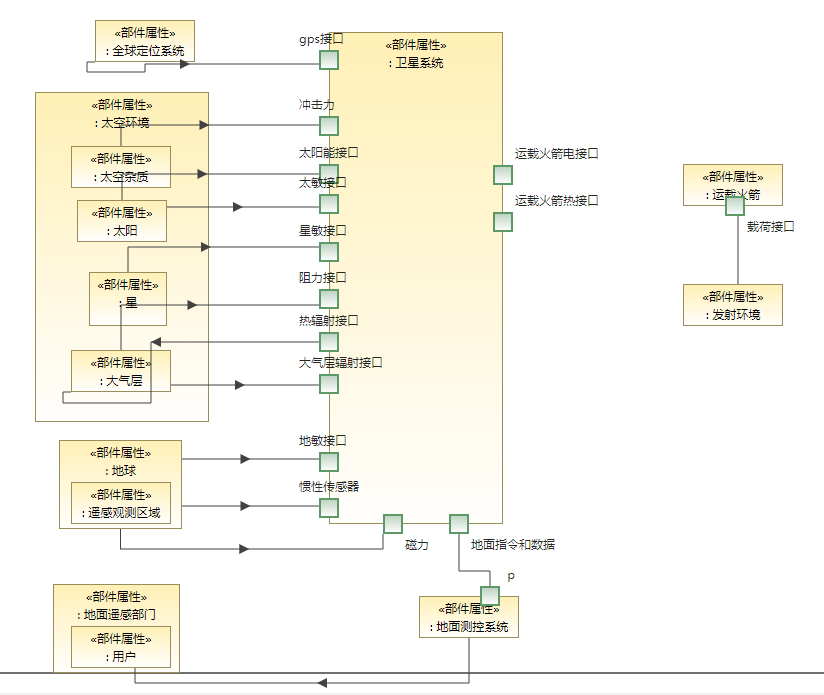
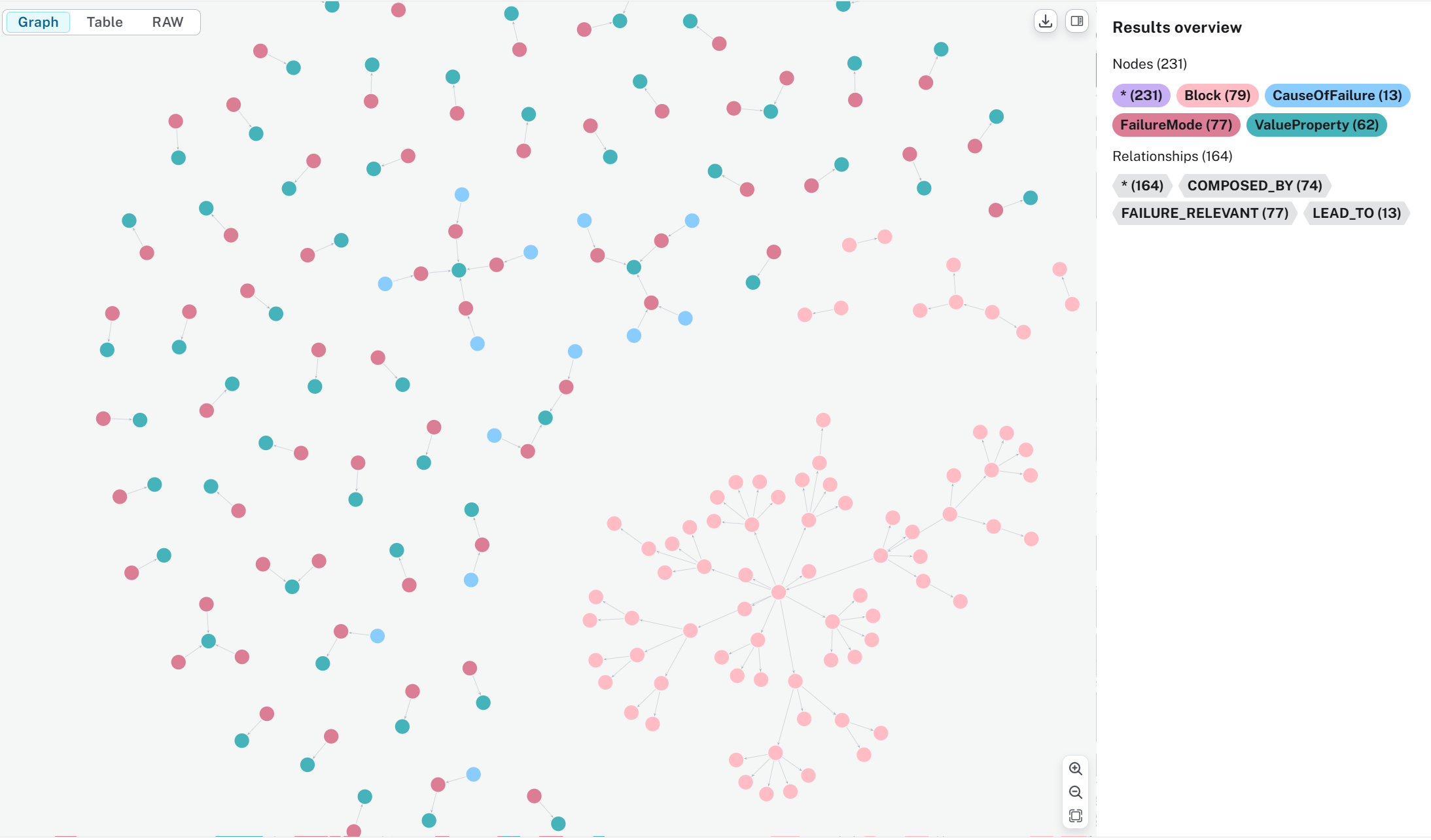
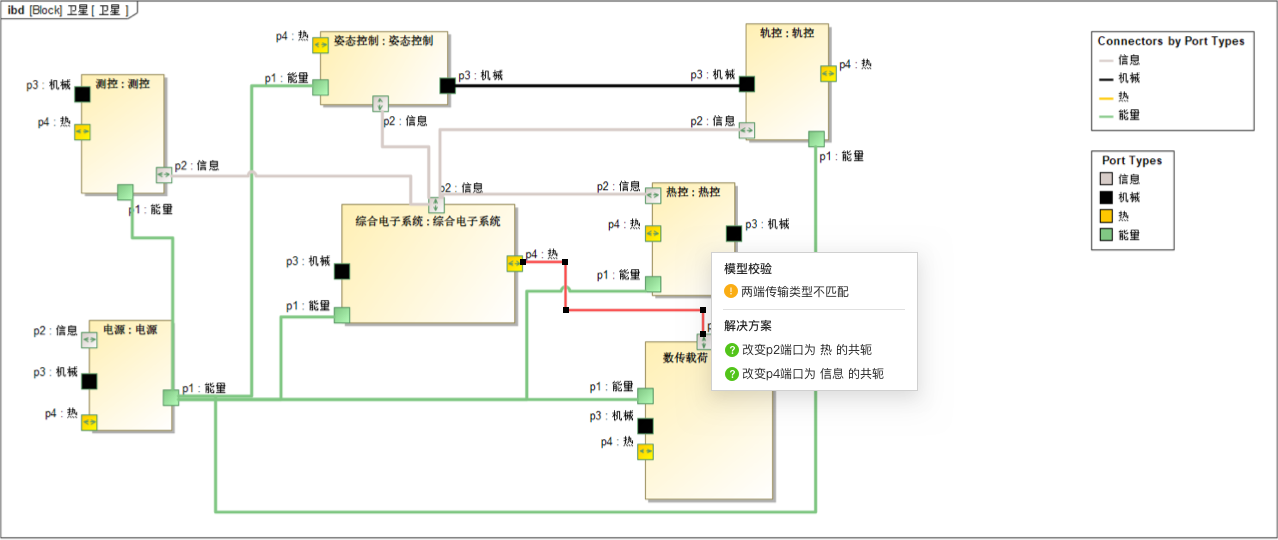
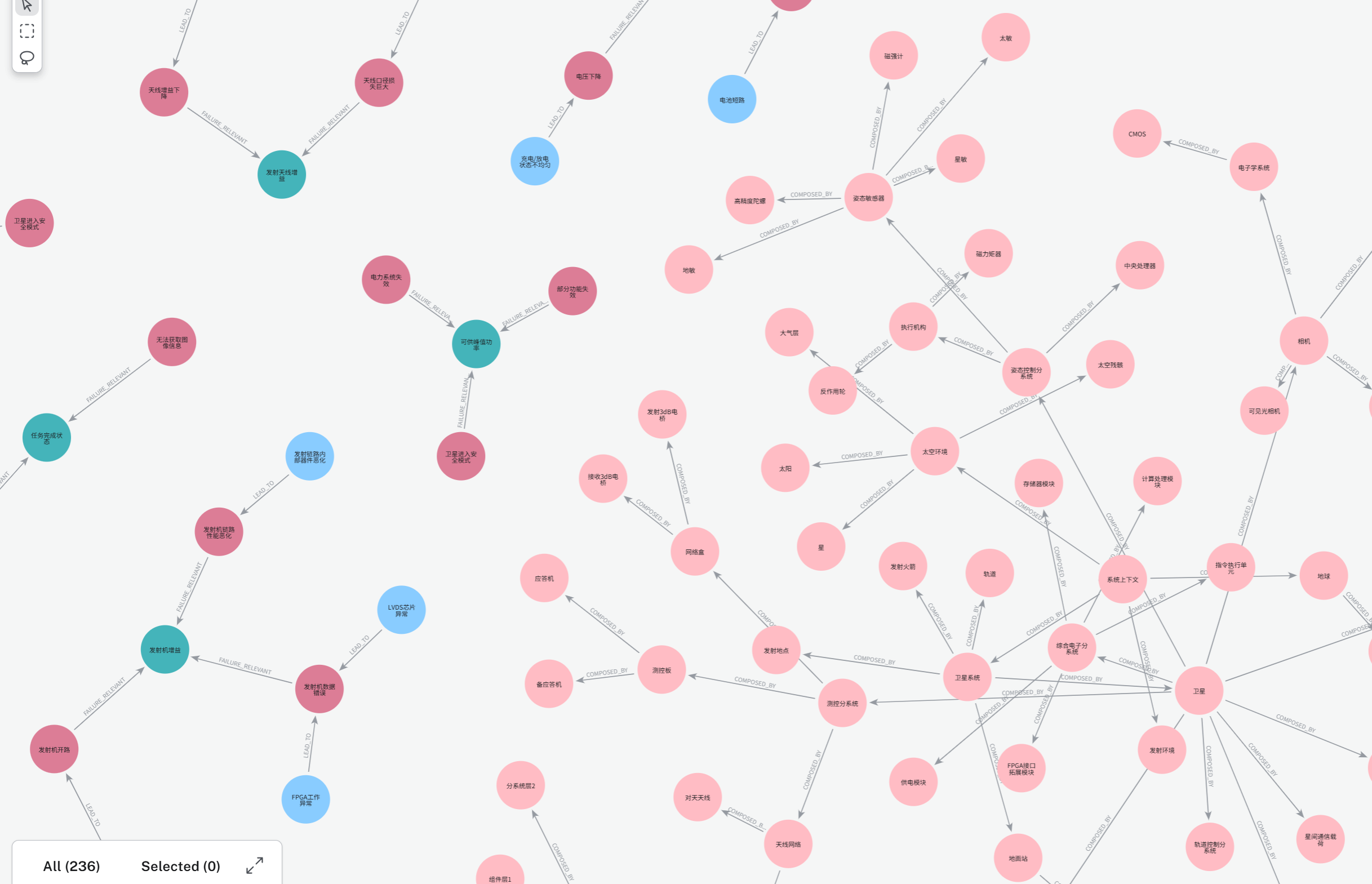
Feasibility case study: use MBSE to align satellite, subsystem, equipment and telemetry semantics, connecting an OWL ontology to graph initialization and state updates.
Connect requirements, subsystem models, and engineering versions through the system architecture to reduce information gaps between tools.
Represent suppliers, components, and installation locations in a system model so that design comparisons share consistent objects and constraints.
Rapidly establish a reviewable system-of-systems and system model baseline within a limited set of viewpoints, enabling traceability from requirements to structure and behavior.
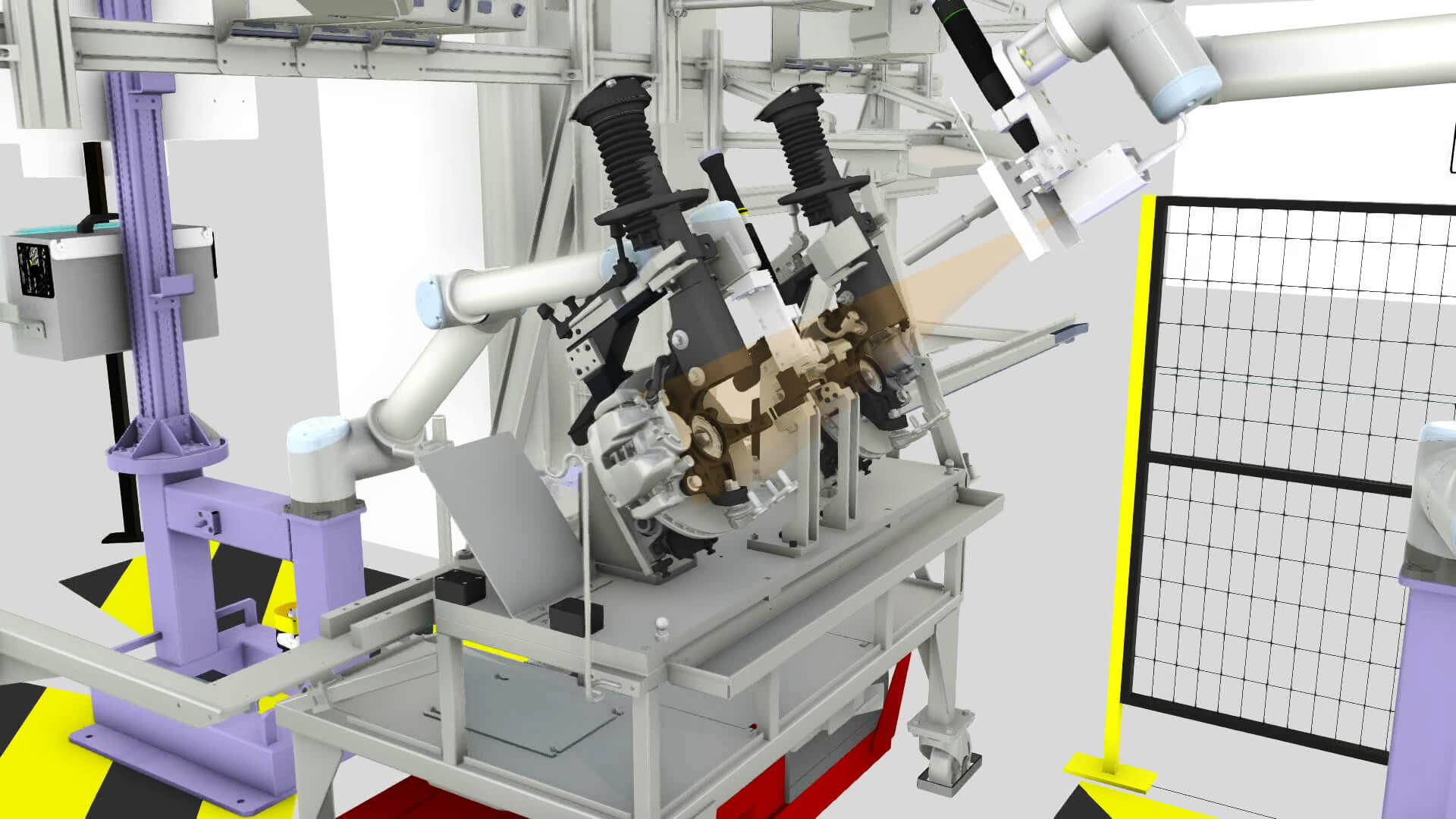
Compare single- and dual-robot layouts, motion sequences, and cycle times for automotive assembly tightening stations through simulation, grounding equipment selection in records that can be replayed.
Use a parametric mechanism model to analyze a pick-and-place robot's trajectories, joint loads, and drive constraints, first determining whether to change the trajectory or replace the motor.
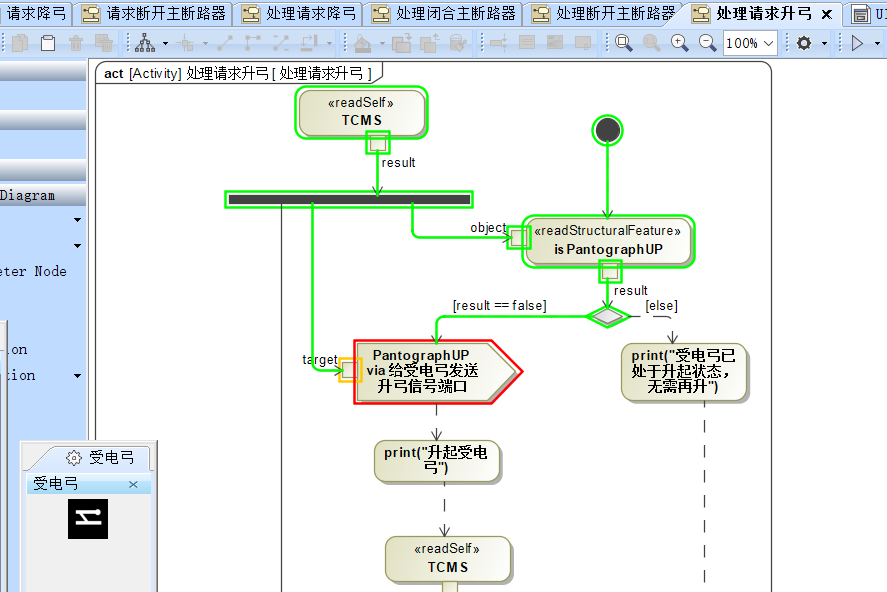
Review command, feedback and state relationships for pantograph and switching equipment, examining control sequence, conditions and exception branches in a software model.
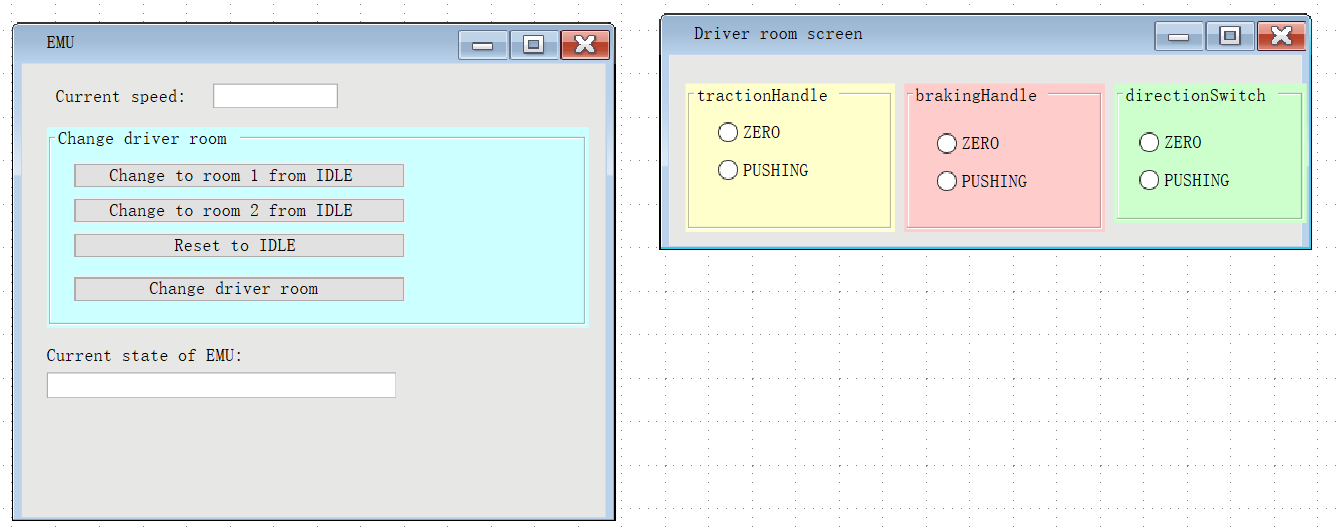
Link cab-control roles, operating states, condition checks and signals into a replayable logic-review process for train-level cab changeover.
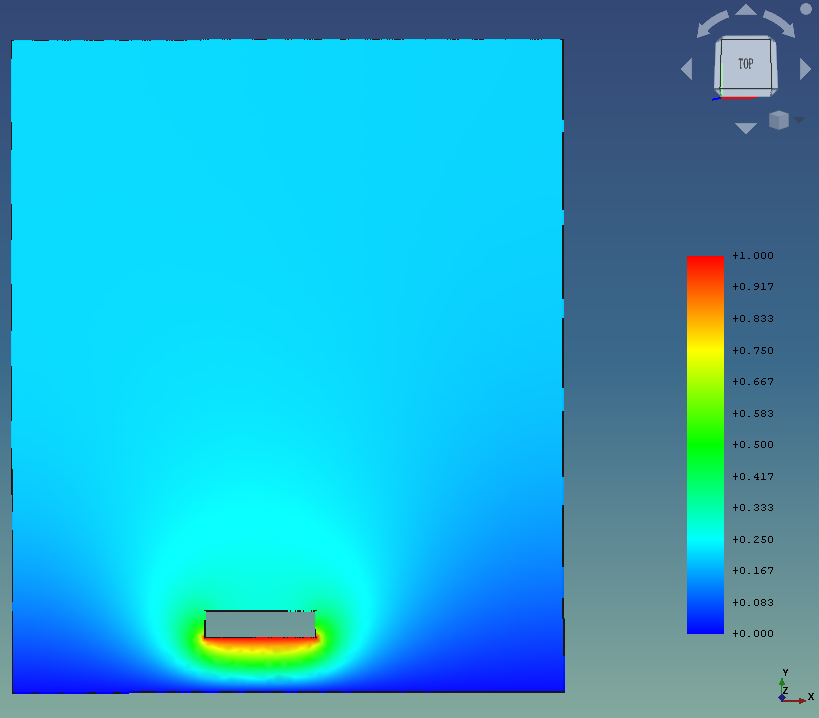
Connect CAD preparation, material and boundary definitions, mesh comparisons and temperature-field review for a complex internally heated housing, with reproducible thermal-analysis deliverables.
Assess finite-electrode fringing effects using electrostatic potential, derived fields and mesh comparisons, with a traceable workflow for reviewing simplified estimates.
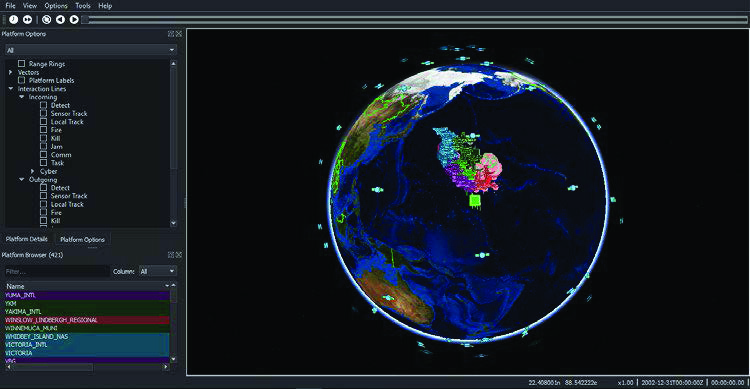
Establish a reviewable mission-level analysis workflow around scenario configuration, run records, and event replay.
Complete multiphysics and mission-profile simulations for key operating conditions, delivering reproducible engineering projects and risk findings.
Build scenarios for comparing swarm strategies and validate integrated operating conditions with adjacent systems.
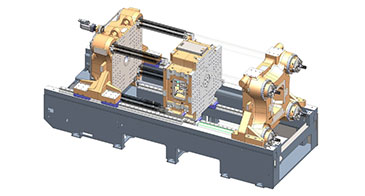
For vibration caused by higher injection molding machine speeds, operating data was used to check the dynamics model. Control strategies were compared virtually before on-site integration.
Based on satellite twin architecture and product material, this case organizes telemetry fields, model states and historical events while distinguishing replay design from in-orbit validation.
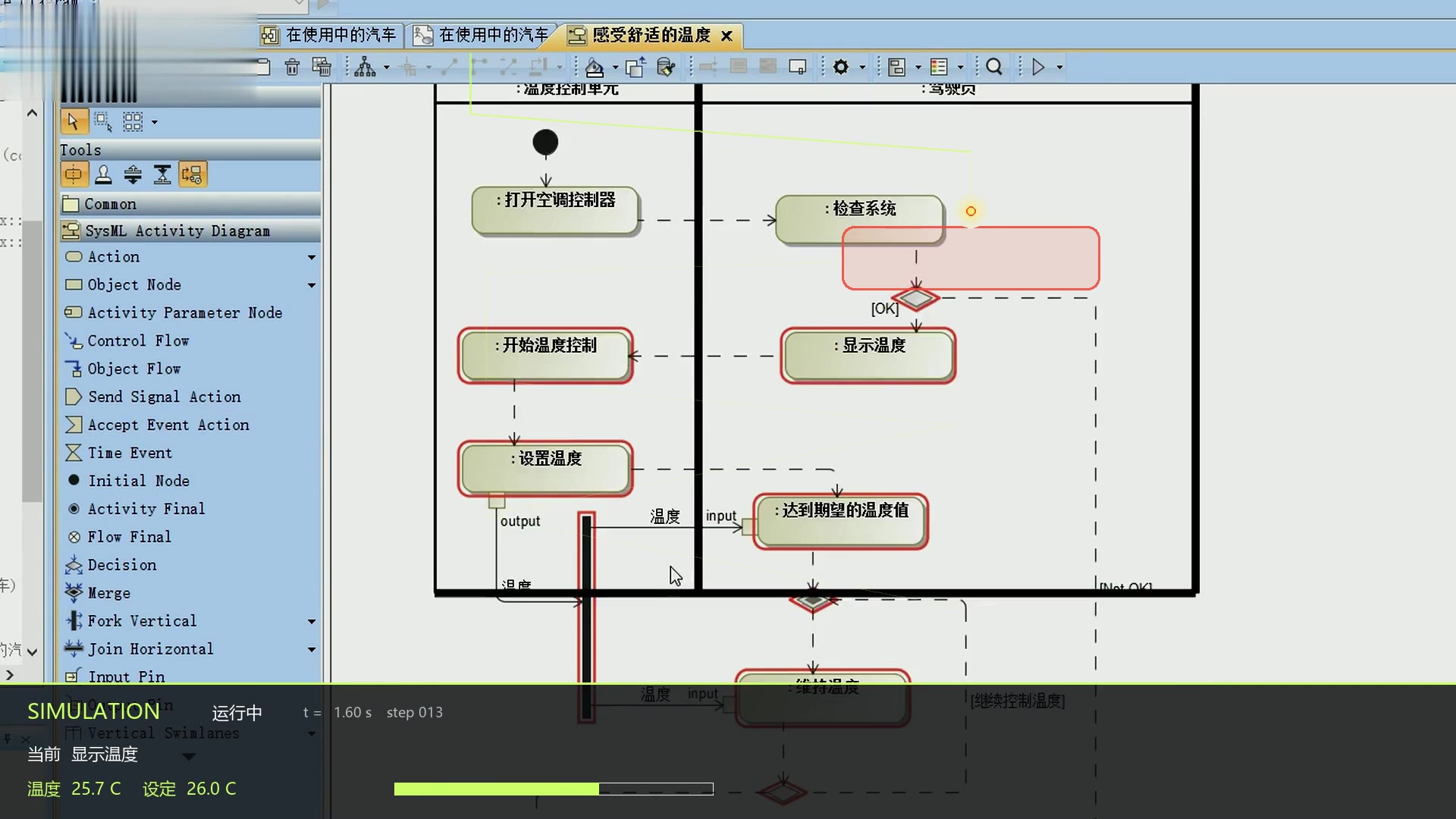
Design a software virtual commissioning workflow and subsequent real-time signal integration around vehicle climate-control requirements, state machines and parameter relationships.
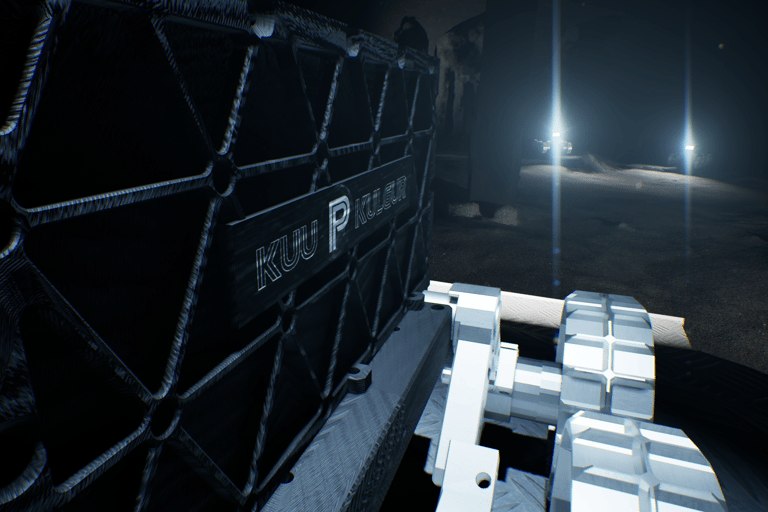
Support robot software, perception, and mission validation by comparing ground-based lunar-surface simulation tests with virtual scenarios.
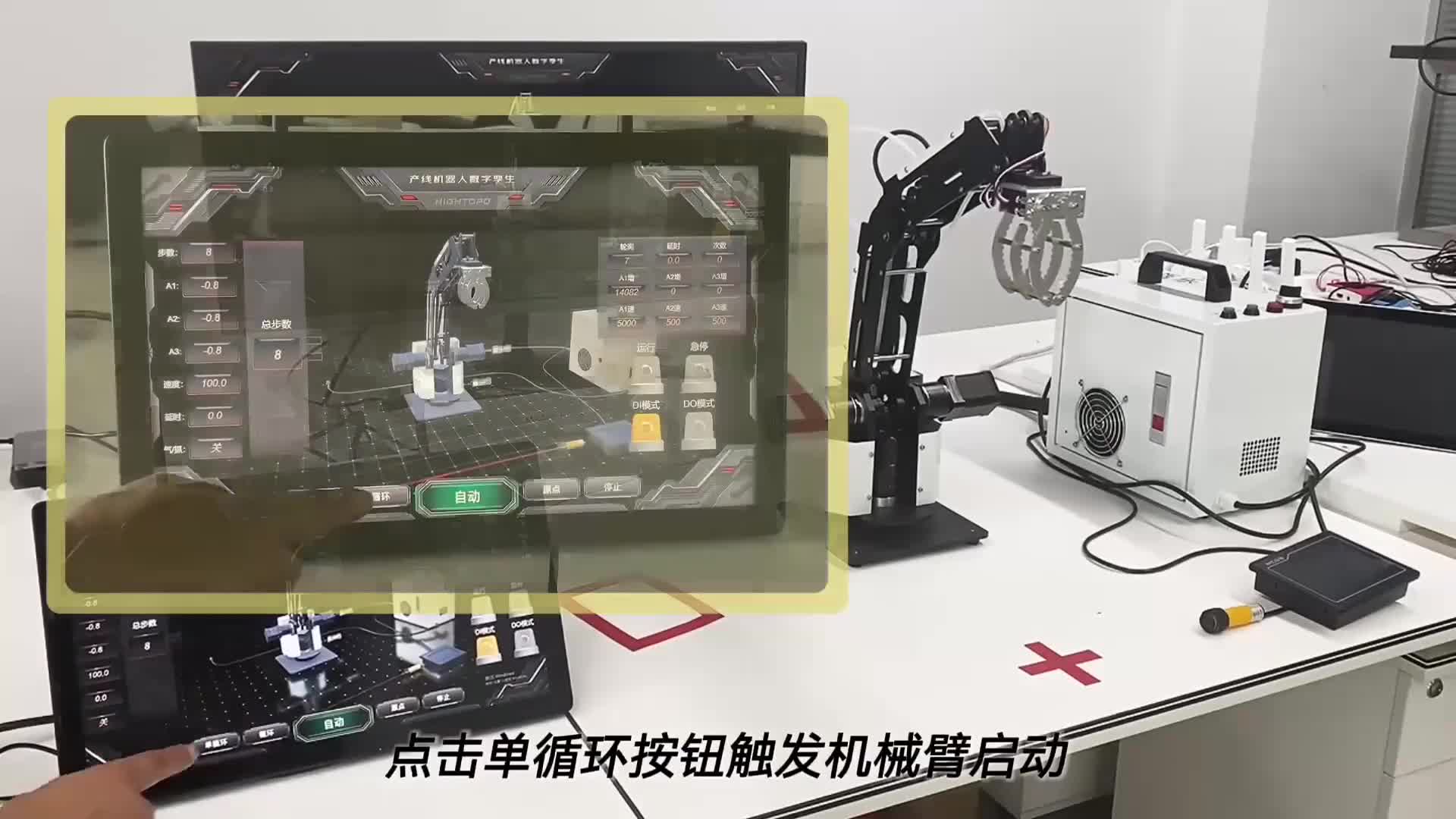
Organize inspectable robot-arm digital twin integration around joint states, tool coordinates, and operation-step signals.
Organize swarm simulation and equipment states through consistent interfaces, establishing an extensible foundation for physical–virtual integration testing.
Build production-line or robot digital twin scenarios, connecting state mapping and control integration to support demonstrations and acceptance.
Combine deterministic checks and AI semantic review of requirements, model relationships and rules to produce traceable findings for human adjudication.
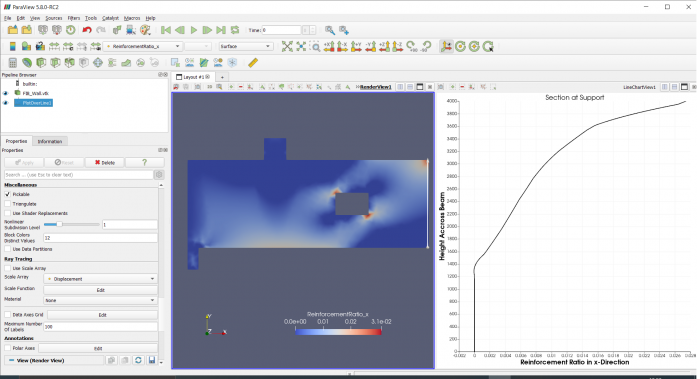
Use VTK fields, section profiles and filter states from finite element post-processing material to design reproducible AI-assisted analysis and human review.
Feasibility case study: connect telemetry anomalies, fault models and graph tools to produce candidate causes, propagation paths, affected systems and reviewable advice.
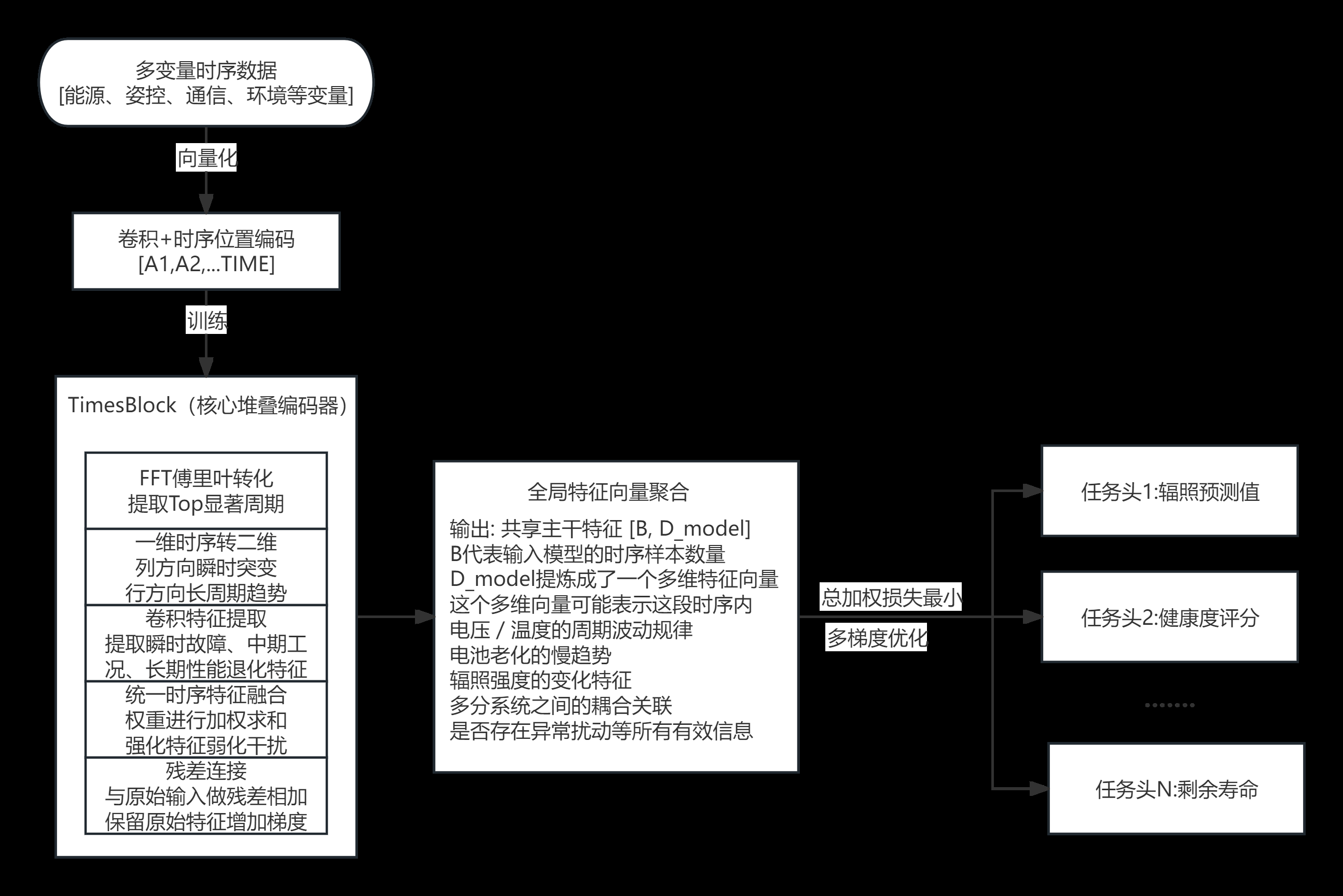
Feasibility case study: supplement scarce samples through parameterized simulation and fault injection, with simulation pretraining, real-data fine-tuning and subsystem evaluation.
Connect vehicle dynamics and multidomain models to the software training workflow to check control policies before real-vehicle testing.
Connect object recognition, coordinate transformations, and robot-arm motion in a closed-loop task to address manipulation in changing environments.
Observe task interpretation, plan generation, and execution results in a virtual environment to verify whether an agent actually achieves its goal.
Turn orders, queues, and resource scheduling into a repeatable interactive environment, using independent scenarios to compare rule-based and learned policies.
Use measurable evaluation criteria to complete a minimal closed loop for perception and recognition, mission planning, and robot-arm or vehicle control.
Engineering Notes
Compare task types, input maturity, and the decisions you need to make; do not judge suitability by how similar videos or images look.
Factor the toolchain, data interfaces, model accuracy, deployment environment, and permissions into the approach to identify what can be reused and what must be rebuilt.
Determine the deliverables and acceptance methods for the current phase, and organize review and handover using our team's project criteria.
Related standards and technical documentation for solution selection and implementation.
Start with task objectives, available materials, and key constraints to define the questions to verify, assets to deliver, and acceptance methods for this phase.