
Simulation-Based Reinforcement Learning for Warehouse Scheduling
01
Project Background
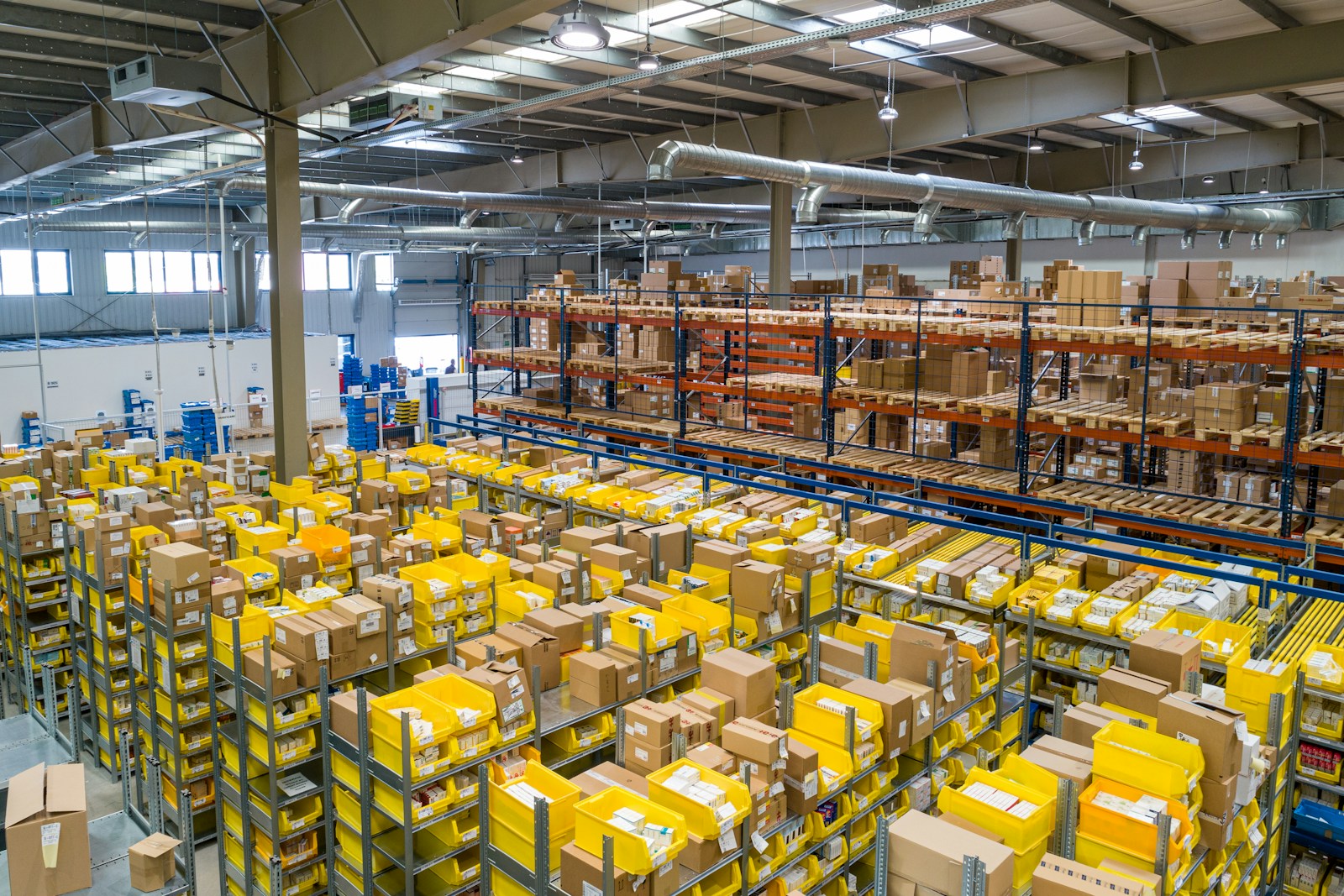
This project organizes warehouse reinforcement learning in software simulation to compare scheduling policies, rather than presenting training rewards as realized operational benefits on site.
02
Technical Approach
The environment provides order queues, resource states, and executable actions; the policy returns resource allocations or task selections. After simulation advances, delays, throughput, and constraint states are calculated. Reward definitions prevent policies from obtaining superficially high scores by postponing or ignoring difficult orders.
03
Implementation Process
Build a rule-based scheduling baseline first and check order conservation, queue changes, and resource occupancy before connecting the learning interface. Vary loads and disturbances during training and use independent order sequences for evaluation. Retain failures, timeouts, and unfinished tasks, and compare policies using the same business metrics.
04
Deliverables
Deliverables include the warehouse simulation environment, observation, action, and reward definitions, a rule-based policy baseline, and independent evaluation and training records. Each identifies its version, inputs, operating environment, and corresponding acceptance steps.
05
Acceptance Approach
The focus is policy comparison in software environments, without relying on robot hardware test footage. Higher training rewards do not necessarily imply actual operational benefits; real projects still require data calibration and business validation.
06
Implementation Outcomes
Compare scheduling policies through simulation.
Orders, resource constraints, and abnormal operating conditions can be reproduced in software, enabling comparisons between learned policies and existing scheduling rules.
Efficiency must be demonstrated jointly through throughput, waiting time, resource utilization, and constraint violations on independent order sets, accounting for training costs. A higher reward alone is not improved business efficiency.