
Multi-Device ICD Modeling and Integration Data Consistency
01
Project Background
Integration teams often maintain protocol descriptions, wiring drawings and test configurations separately. A changed signal name, unit or bit allocation that does not reach receivers and test tools can create difficult interpretation errors even when the connection works.
Multi-device integration requires consistent interface data and checks of ports, signals and constraints before integration. This method case focuses on interface consistency, covering design data organization, configuration generation and integration preparation.
02
Interface Model and Technical Approach
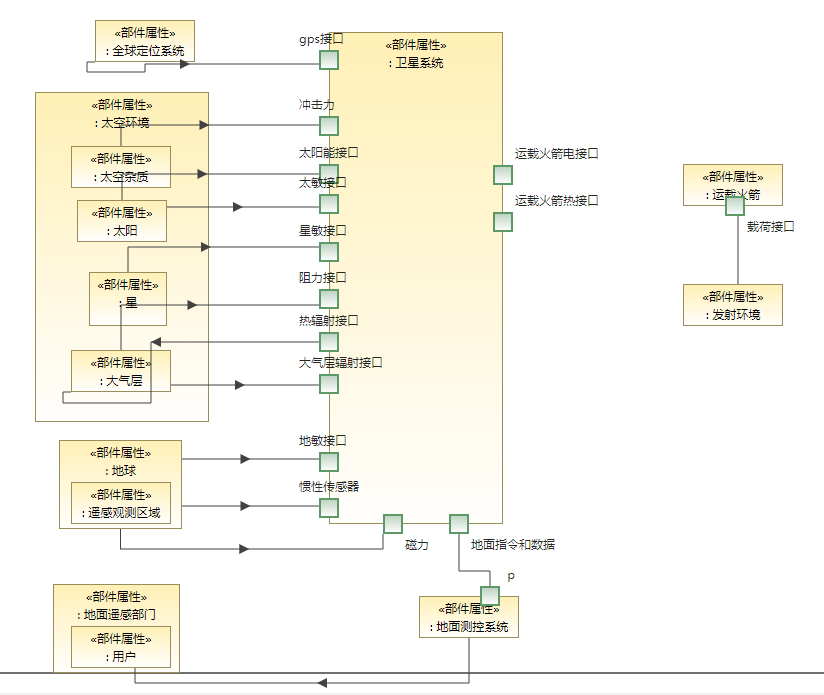
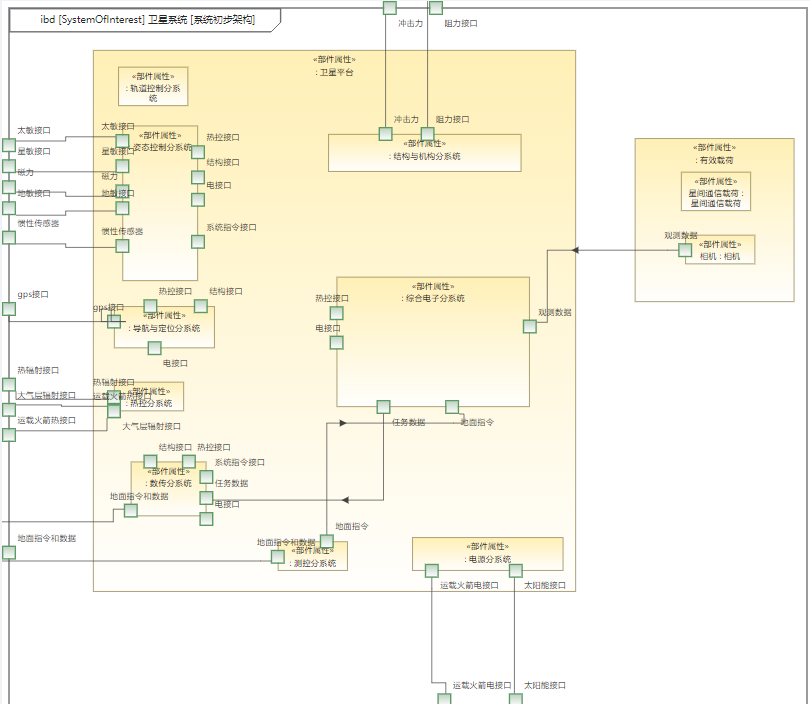
Build linked devices, ports, messages, signals and wiring. Trees express ownership, diagrams show connections and tables hold field attributes. All views reference the same objects rather than maintaining disconnected copies of the same signal.
Each signal identifies sender, receiver, type, units, valid range and update conditions; physical ports separately record connectors and connections. Automated checks cover completeness, uniqueness and endpoint agreement, while runtime protocol behavior still requires appropriate tools and equipment.
03
Implementation and Integration Preparation
Start with one cross-device data chain, resolve conflicting definitions and agree on the authoritative source before building the controlled model. Preserve original identifiers when mapping legacy tables; unmapped fields go into a differences register rather than being discarded.
Export ICD and test configuration from a named baseline and read them back to check fields, units and connections. Agree on change approval before integration and distinguish parsing faults from design issues, rather than conflating network, protocol and business-logic failures.
04
Deliverables and Acceptance
Deliver the interface model project, field dictionary, export rules, ICD files, test configuration and difference-resolution records. The package specifies its version and applicable devices, allowing a message to be traced to its interface and test item.
Acceptance checks endpoint consistency and export/read-back results for agreed samples. If hardware integration is included, retain transmission, parsing and exception-handling evidence separately, with distinct sign-off for software models and physical connections.
05
Application Boundaries
Applicable to multi-vendor equipment, joint hardware–software development and simulation interface governance. Implementation establishes a project-specific baseline using device protocols, network configuration and access permissions.
Protocol compatibility must be verified for the actual versions. A convertible field format does not prove preservation of timing, precision or exception behavior. Cross-tool exports should include known conversion losses and unsupported items.
06
Implementation Outcomes
A shared interface source reduces duplicated entry and version mismatches, shifting diagnosis from document searches to device-message-signal traceability. Its value is integration readiness and change control, not guaranteed automatic connectivity for every protocol.
Assess interface governance through duplicate definitions, mismatches between endpoints, configuration generation time and integration issue resolution time.