
Engineering Model Review Assistant: Requirements and Verification Links
01
Project Background
A link does not establish verifiability.
In complex-equipment reviews, a requirement may link to a test case without defining a trigger, measured quantity or acceptance criterion. Another requirement may have changed while its linked case retains an older description. The assistant targets these review candidates, distinguishing missing relationships from insufficient content.
Review inputs include requirements, model objects, rules and verification links. Batch request and response structures, short-ID mappings and object identifiers link each finding to its input for engineering review and navigation.
02
Input Preparation
Preserve provenance and relationship direction.
Proposed inputs are limited to authorized requirement identifiers, titles, text, relationships and relevant model attributes. Each batch retains the model version, export time and original element identifiers. Restricted content is sanitized in a controlled environment; customer names, personal information and access credentials are excluded from agent requests and public cases.
Temporary short identifiers reduce reference ambiguity. Bind mappings to the current session and resolve outputs to original objects. Retain section or rule identifiers and distinguish verification, satisfaction and refinement links; model traversal requires complete relationship data.
03
Method
Combine rule checks with semantic review.
Deterministic tools would check required attributes, relationship endpoints and verification links within the agreed scope. AI would then explain textual ambiguities, such as a requirement for a timely response without a timing condition. Rule violations, semantic concerns and insufficient evidence remain distinct; fluent wording cannot justify passing an unverified requirement.
Tool interfaces would expose only authorized read and validation operations, bounded by model, element set and returned fields. Commands embedded in source text remain data and cannot alter permissions. Each suggestion includes a source excerpt, linked elements and its rule basis; missing context requires human input rather than invented technical targets.
04
Review Process
Findings must resolve to original elements.
A pilot would start with a small functional package whose known issues and acceptable expressions engineers label beforehand. After freezing rules, reviewers would assess missed issues, false alarms and citation correctness, including duplicate names, stale temporary identifiers and mixed-version results that could attach plausible findings to the wrong requirements.
Proposed deliverables include input registers, rule results, semantic findings and human decisions. Responsible engineers approve changes before affected elements are rechecked, retaining original findings and closure reasons. Interface failures, empty responses and unresolved identifiers mean incomplete review, not a passing result.
05
Validation Boundary
Assistance does not replace engineering judgment.
Acceptance should separately assess structural-check correctness, usefulness of semantic suggestions and evidence traceability using human-labeled samples excluded from tuning. Complete relationships do not prove test success, and clear requirements do not prove design performance. Conclusions lacking test records must remain unverified.
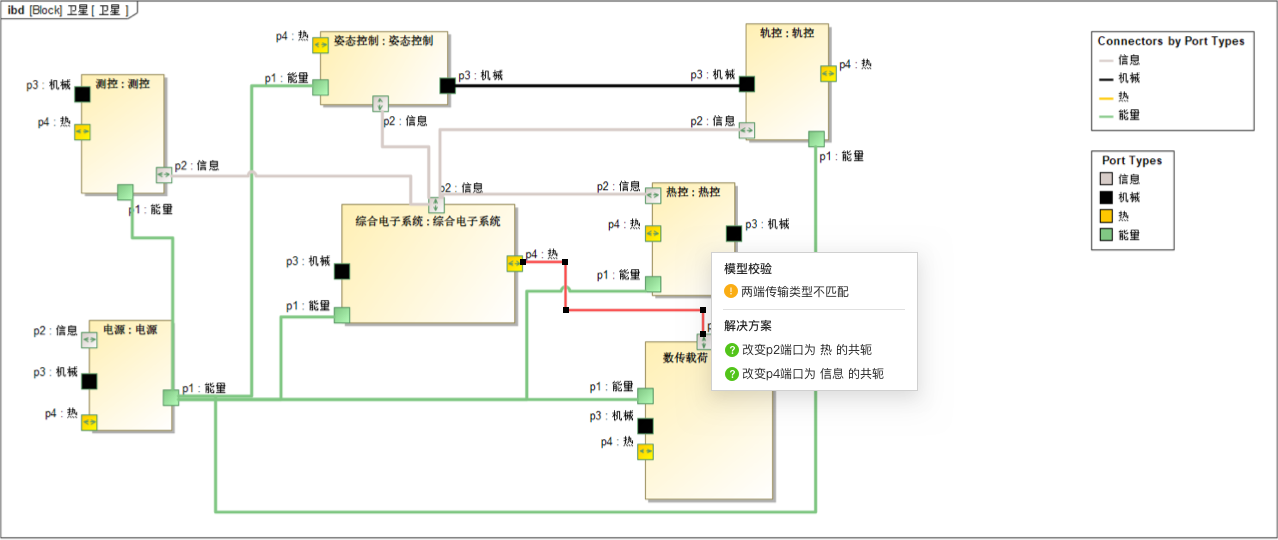
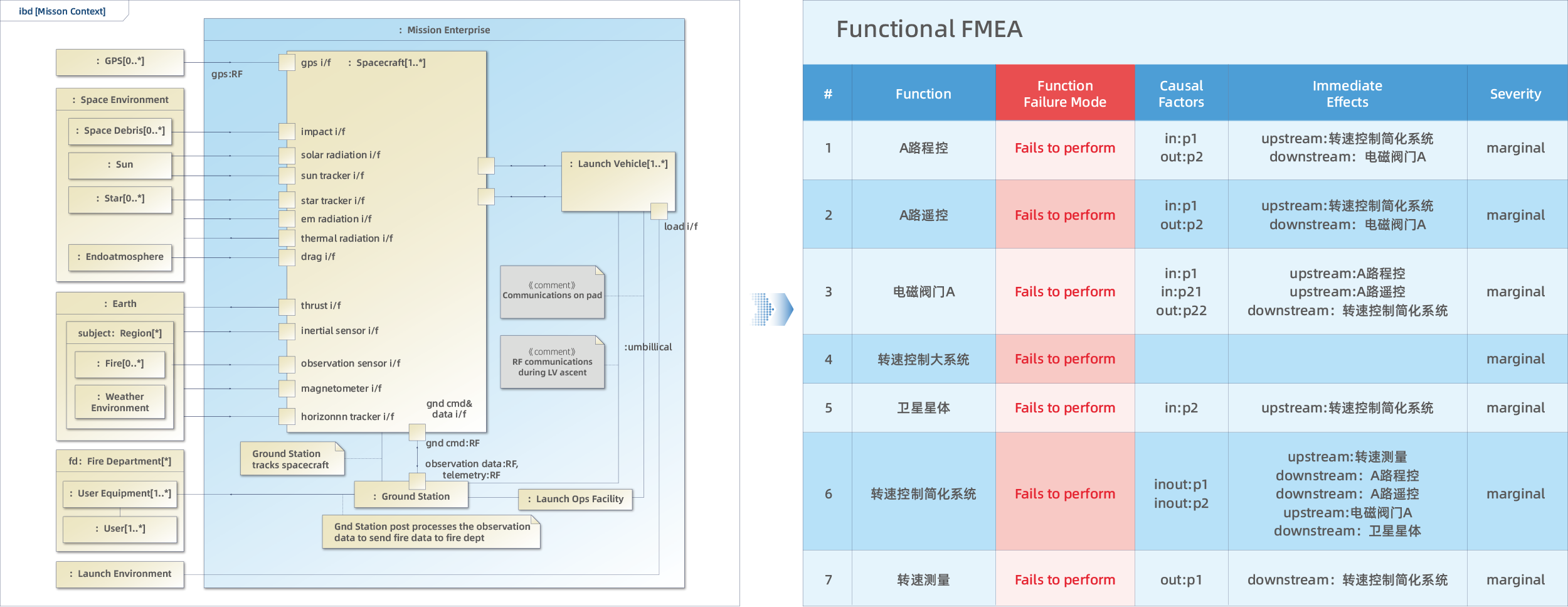
Start implementation with a limited model scope and human review. Validate input parsing, rule execution and issue traceability before assessing AI-assisted explanations. Interface checks and FMEA links are suitable initial review targets.
06
Implementation Outcomes
The method is expected to give findings consistent element, version and evidence references, reducing repeated source lookup and relationship clarification. Pilot issue records and human reviews must establish whether these benefits occur.
Compare useful findings, false-alarm handling effort and evidence-location time at equivalent model sizes. Record human corrections to guide subsequent expansion.